
Structural Damage in Your Home: Should You Fix It or Sell It?
Structural damage is different from normal wear and tear. A little chipped paint or worn carpet is also considered damage, but it’s cosmetic because the problem won’t affect the structural elements of the house. Structural damage impacts the parts of the house that hold everything up and keep it standing, including the concrete foundation and wood framing. The 5 main types you might run into are:
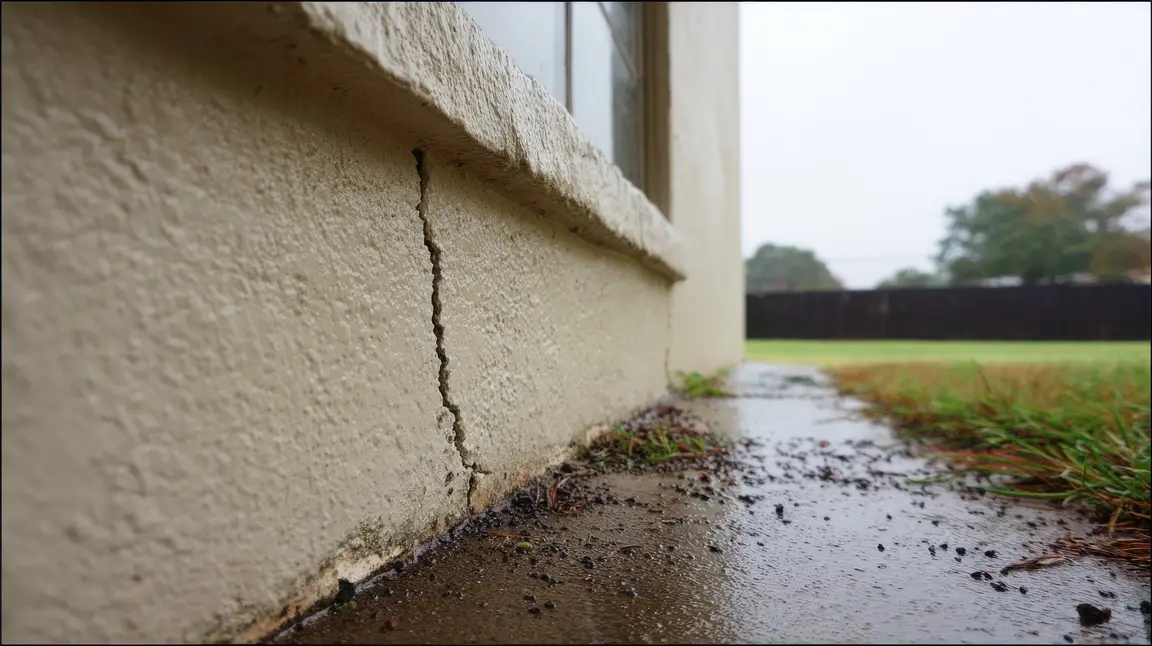
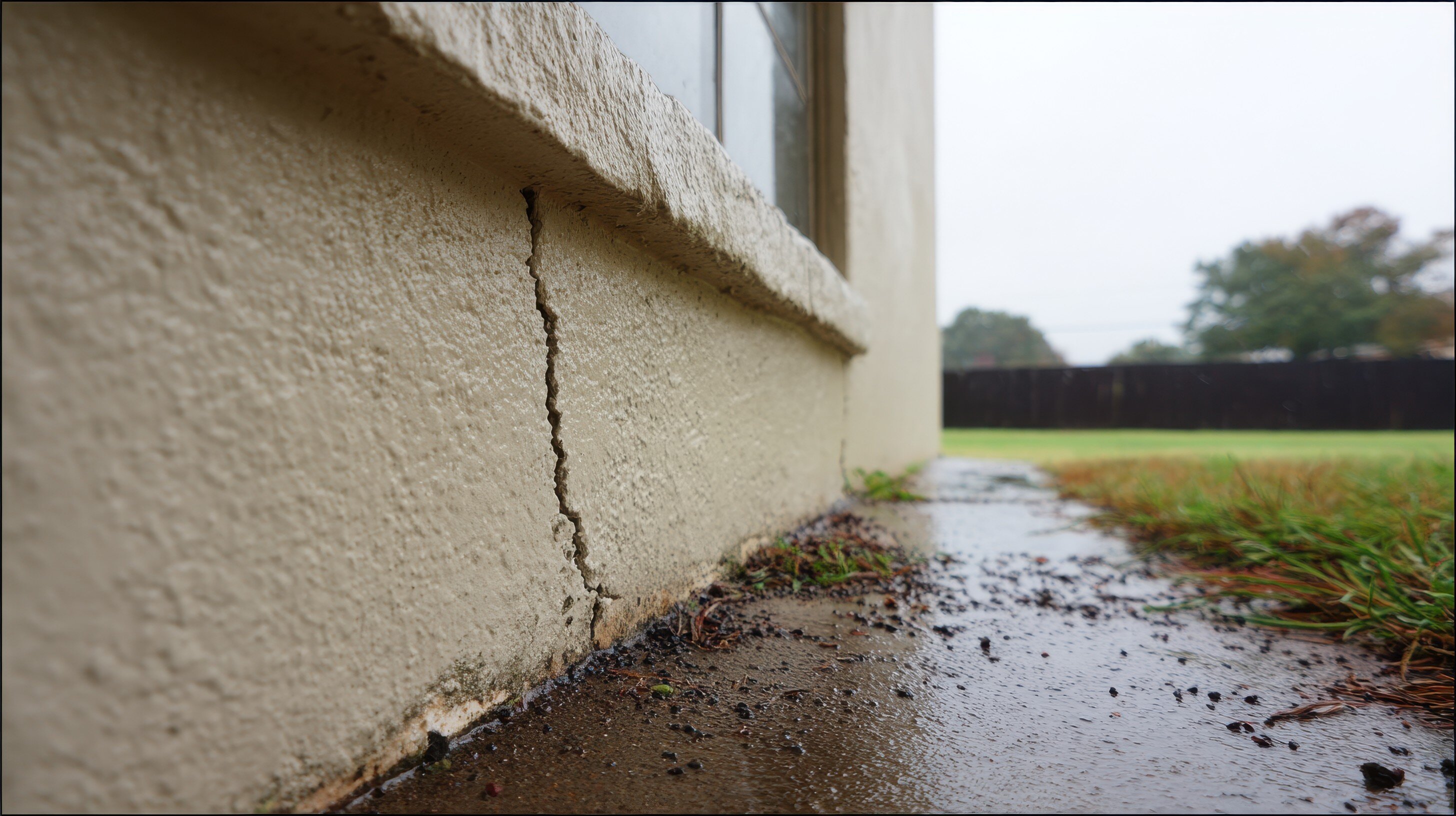
- Foundation problems. This includes cracks, sinking, and uneven settling. Horizontal cracks are usually more serious than small vertical ones, and may be a sign that the damage is more extensive than you might first think.
- Framing & flooring. This covers sagging floors, rotted beams, and roof trusses that are failing. This will happen with enough time due to age and freeze/thaw cycles, while termites and other wood-eating bugs can damage these parts much more quickly.
- Walls. Cracks in load-bearing walls, walls that bulge or lean, and crumbling brick or block walls all fall into this group. One of the bigger dangers with this type of damage is personal injury, as some or all of the wall may collapse without warning.
- Water and rot damage. Chronic leaks can gradually rot wood framing and grow mold that further eats away at the structure. Poor drainage is also a common cause, eroding the ground under a foundation.
- Roof structure damage. A sagging roofline or damaged rafters are more serious than a few missing shingles. The roofline and rafters affect the frame holding the roof up, so damage here could cause a collapse somewhere else.
Unless there’s an accident, structural damage is most likely to form as a result of natural disasters like flooding or wildfires, or as the future consequences of bad workmanship. For example, if someone removed a wall without adding proper support fasteners. Unless you address the root cause of the structural damage, it’s possible that whatever solutions worked will be necessary again in the future.
What to Fix Yourself vs. What Needs a Professional
Some structural issues are simple enough for a homeowner to handle. Others are exorbitantly expensive or too dangerous for a DiY. Knowing which is which will help you make the most cost efficient choices and minimize risk.
Things you can often handle on your own include small hairline cracks in the drywall, so long as they aren’t growing. If they are, it’s a sign the damage will continue. Other DiY projects small, non-structural cracks in a walkway or garage floor, sealing gaps around windows and doors, and improving drainage around your foundation by extending downspouts or fixing the slope of your yard. These jobs are low risk, both in terms of high costs and potential for injury.
On the other end of the spectrum, anything involving a part of the house that holds weight should go to a professional. This includes foundation cracks, walls that lean or bow, sagging beams or floor joists, and any other repair that touches something load-bearing. What gets tricky with these issues is recognizing whether something is a small cosmetic problem or a sign of a bigger issue. Hiring a licensed structural engineer can clear things up, and they may also be able to provide you with recommendations for a licensed contractor that can fix it the right way. Many areas also require permits for this kind of work, and skipping that step can cause problems later if you try to sell the house.
The simple rule to remember is that if something is holding up part of your house, the safer answer is to call a professional.
Which Types of Damage Are the Most Serious
Not all structural damage carries the same risk, as just because something affects the structural elements doesn’t mean it’s done so to such a degree that the structural integrity is at risk. This is why homeowners can usually fix minor concerns like hairline cracks. In general, anything connected to the foundation or the main path that holds the house up is more dangerous than an isolated problem in a small area.
The most severe types of structural damage include:
- Foundation failure and major settling are usually the worst, because everything else in the house sits on top of the foundation. Selling a house with foundation damage is much more difficult, so the pool of interested buyers may be smaller or restricted to investors.
- Next comes damage to load-bearing walls or beams, since a failure there can lead to another part of the house collapsing. This can make identifying the source more complicated, as visible problems in one part of the home may come from the actual damage being elsewhere.
- Roof structure failure is also high risk, especially if snow or strong wind adds extra weight. If it were to collapse suddenly, all that weight would come crashing down on the rest of the structural elements
While less dangerous, the following can become more severe if left unchecked:
- Water damage that leads to rot can start out small, but grow serious if it goes untreated for a long time. Not only will this impact the home’s structural integrity, but it can make you sick and encourage pests.
- Termite damage is in the same category, since it can quietly weaken wood for years before anyone notices.
The least concerning damage includes small, stable foundation cracks (as some degree of settling is normal) and cosmetic cracks in any walls that are not load-bearing.
How to Decide if Repairing Is Worth It
Once you know what kind of damage you’re dealing with, getting more information about the severity of the damage will help you think through whether fixing it is feasible.
Start by getting a real diagnosis
A structural engineer, not just a general home inspector, can tell you the root cause of the damage and how serious the problem is. This usually costs a few hundred dollars, but it gives you facts instead of guesses.
Next, confirm whether the damage is getting worse or staying the same
If cracks are widening or doors are sticking worse and worse, that is a sign of progressive movement that needs attention, potentially sooner than any of your selling plans. But if the damage has been stable for years with no new signs of movement, it may be a lower priority.
Consider your own plans, too
If you want to stay in the home for years to come, repairing may make more sense (although this won’t help with the cost). If you are moving soon anyway, dealing with contractors and potentially extensive repairs may not be worth the headache
Compare the repair cost to your home’s value
Get two or three contractor quotes based on the what the structural engineer finds. If the repair cost is a small share of your home’s value (under 10-15 percent), repairing makes more sense. An investor would only offer you 20 to 30 percent below market value to take the house as is and fix the problem themselves. Since your repair cost is much lower than that discount, fixing the problem and selling normally will likely put more money in your pocket.
Finally, look at financing options
Structural damage from a storm or flood may be covered by your insurance, which will change the math. On the other hand, homes with unresolved structural issues can’t get a normal mortgage, which shrinks the pool of buyers if you try to sell without fixing anything.
A Few More Things: How Damage Affects Disclosures, Loan Terms
You’re usually required to tell buyers about known structural damage, even if you plan to sell the house as-is. Doing so means the buyer accepts the home in its current shape, but it does not remove your duty to disclose what you know. Skipping disclosures can lead to significant legal trouble down the road, so it’s always worth talking to a local real estate attorney about what’s required in your area.
Even once it’s disclosed, structural damage can still derail a sale, as loans will not close on a home with unresolved structural issues. Problems that turned up during an inspection can lead to a lower offer or the buyer walking away entirely. Whenever possible, learning of and fixing major issues before you list the home will help sales go more smoothly.
And in some cases, you don’t have to choose between a full repair and selling as is. Many sellers end up offering a repair credit instead. You’ll disclose the problem and get a repair estimate, but you give the buyer a price reduction or credit at closing instead of doing the work yourself.
Some Structural Damage Can Be Repaired. It Should Never Be Ignored
While damage to structural elements is a cause for concern, you don’t need to sell as soon as possible. The right choice depends on how serious the damage is, how much it will cost to fix, and whether you feel your current house is worth that. Getting a proper inspection from a structural engineer is the best first step, since it turns guesswork into real figures you can base a decision on.