
ROAD to Housing Act Makes it Easier to Buy & Sell Manufactured Homes
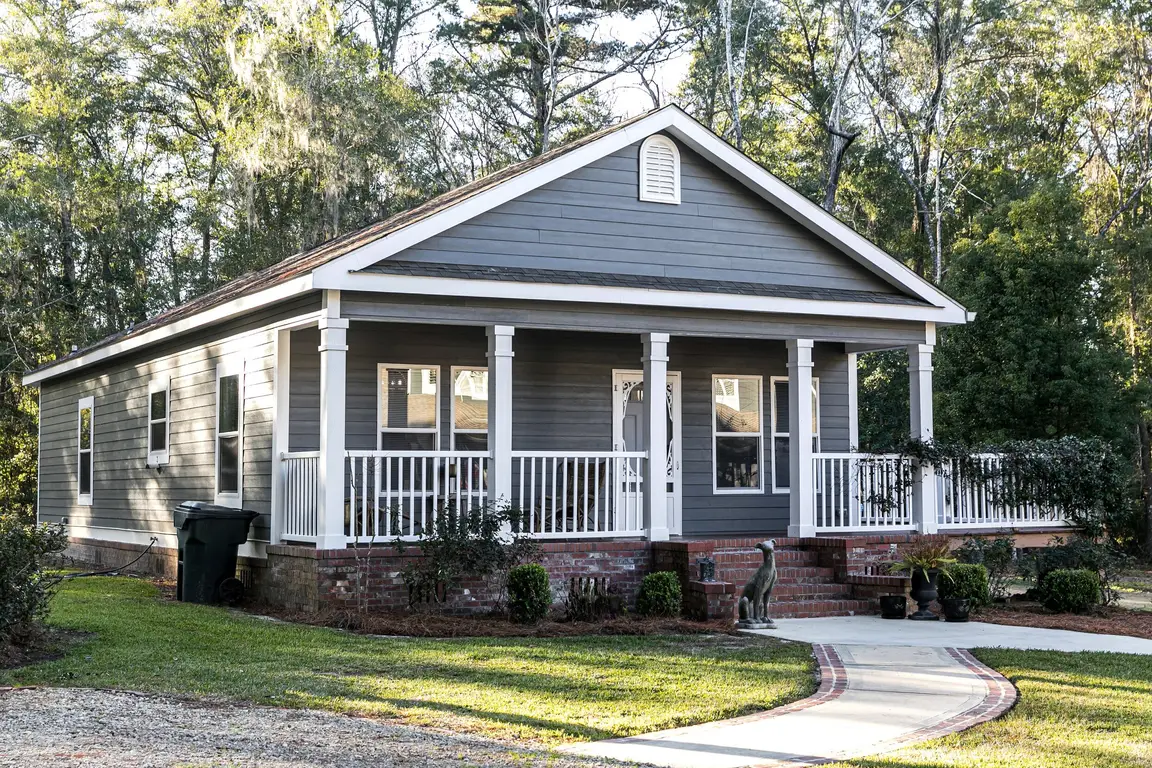
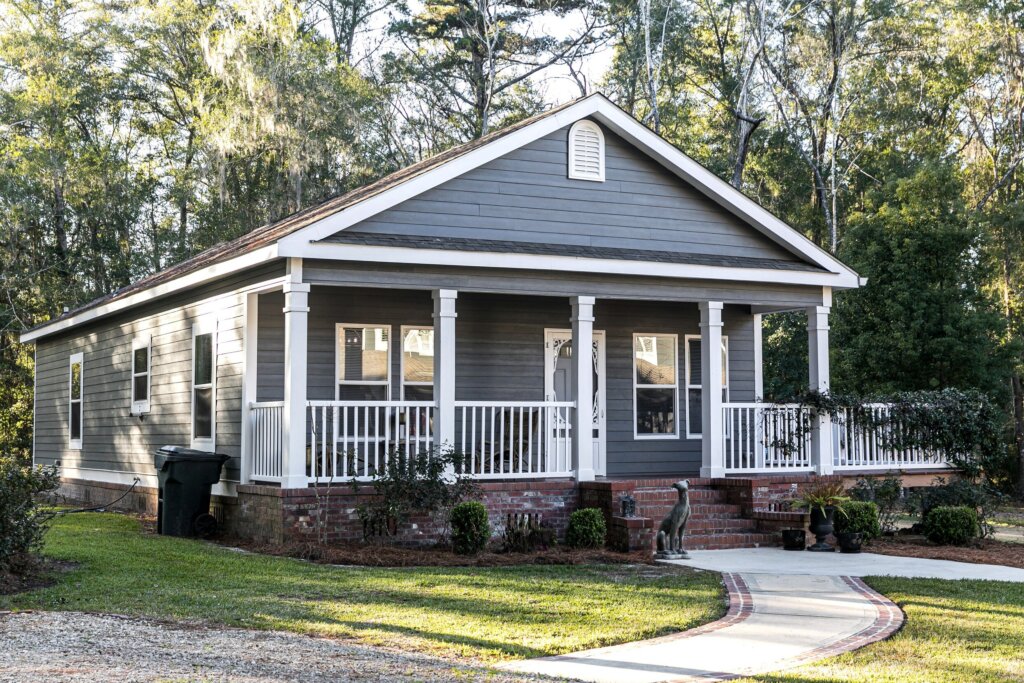
Manufactured homes are a specific type of housing that are constructed in factories instead of on-site where the house’s foundation will be. Homes built this way since 1976 have to adhere to strict construction and safety standards established by the U.S. Department of Housing and Urban Development. Some of those standards made it difficult if not impossible to finance a manufactured home the same way you would with traditional real estate.
The recently-passed ROAD to Housing Act changes that. By updating regulations on manufactured housing, lawmakers hope to streamline development and make it easier to buy/sell them. To help prepare everyone, we’ve created this guide explaining the key changes to manufactured housing laws. You’ll have a much better understand of why the rules were updated, and how you can benefit from them.
The Problem: Moving a Manufactured Home = It’s Not a Home Anymore
The core obstacle to buying and selling manufactured homes was how the law defined them. In order to meet federal construction regulations, a permanent chassis made of a steel transport frame is attached to the home and used to haul it around. That frame’s unique status as unattached to the land itself redefines how the home is protected under the law. Until it’s fixed to a piece of land, the frame makes the home inherently moveable, and seen as personal property instead of real estate.
Personal property doesn’t qualify for traditional loans, even if that personal property is a home in the form of manufactured housing, because lenders can’t sell personal property loans to the federal government groups like Fannie Mae. Instead, interested buyers are forced to use chattel loans, which come with higher interest rates and down payments, but smaller total loan limits.
Once a manufactured home is placed on a real foundation, it can be converted to real estate and financed traditionally, but this is undone if someone ever wants to move the house, as it would need to be placed back on the transport frame and lose its real estate status. In essence, manufactured homes couldn’t be moved with traditional financing because the homes were actually personal property the moment they were taken off the frame.
How the ROAD to Housing Act Updates These Rules
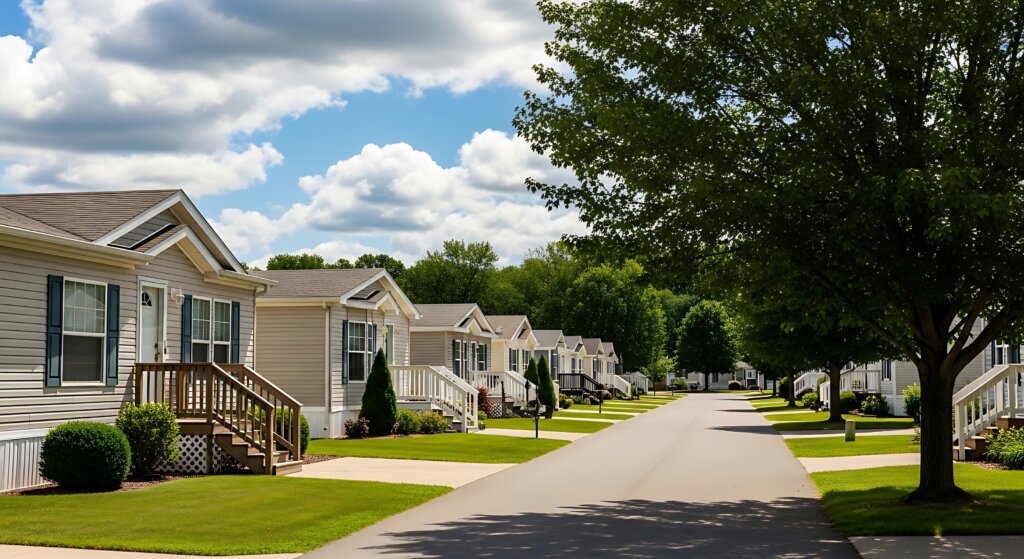
The most significant change this new law makes is allowing for manufactured homes to be built with or without the permanent chassis. Now that they don’t require one to meet the federal standards, manufactured homes can be more easily classified as real estate and financed with traditional mortgages. Buyers who want to purchase one, or owners who want to move theirs, can now do so with bank financing.
Changing the definition doesn’t spur how the new definition is enforced, however. HUD is in the process of creating separate regulations for these manufactured homes, and states will need to write their own as well since titling processes vary between states.
Some of the other major changes coming include:
Higher FHA Title I loan limits:
FHA loans help cover things like repairs to existing homes or improvements to multifamily complexes. These loans were also used to buy manufactured homes with the lot, or just the lot itself, and higher loan limits will make it easier to access.
Relaxed USDA loan rules:
Many USDA loans have extensive requirements, including qualifying credit scores and what sources of income are eligibly. Now, landlords can count their ADU rental income towards a USDA loan.
Expanded Preservation and Reinvestment Initiative for Community Enhancement (PRICE) Program:
This pilot program helped disburse funds for renovating manufactured housing communities, and is now being authorized for a full seven years. Future funding may be easier to collect, and be more accessible to applicants.
Fewer barriers to modular housing:
Modular housing is a sub form of manufactured housing, where different elements are fabricated, finished and assembled in a factory before being connected with the others onsite. This custom nature made inspection and permitting fees very high in relation to the final sale price, but the ROAD to Housing Act gives HUD the authority to find and remove the barriers contributing to these high fees.

the sale price, high fees meant modular housing was much less profitable for builders.
This Doesn’t Apply to Pre-176 Mobile Homes
Remember, the federal construction and safety standards for manufactured housing were devised in 1976. Mobile/manufactured homes built before this date rarely qualify for financing, but certain companies may offer loans on them. 21st Mortgage Corporation, based out of Knoxville, Tennessee, actively works with these properties.
In fact, their status as one of the few lenders offering these loans is a great example of why the ROAD to Housing Act is necessary. As new definitions are enshrined and lenders figure out how to work with more manufactured homes, more lenders may be willing to work with otherwise difficult properties.
These New Laws Allow More Flexibility for Buying and Selling Manufactured Homes
Because of their more restrictive financing requirements, owners of manufactured homes often found themselves stuck in a legal system that made it more difficult to sell. With the ROAD to Housing Act now in place, these owners may soon have much broader opportunities to sell or move their manufactured homes. A lot depends on how different states define their own rules, and whether neighboring states work together to make these changes consistent.
If you’re interested in selling your manufactured home, and a traditional sale isn’t ideal for one reason or another, consider reaching out to SoldFast to schedule an appointment and receive a cash offer. We’ll sit down to explain the numbers and how you can get the most from your house, even if that means working with someone else.
To get started, call your SoldFast representatives at 855-276-5332 today!