


An easement is a common part of real estate deals, and represents a joint agreement between the landowner and another entity about specific uses of their land. In many cases, easements don’t cause problems for the landowner, but that can change if they ever decide they want to sell. Some easements may make selling the home more difficult, usually because the easement is more restrictive, or because buyers have that perception.
With certain types of easements more disruptive than others, we’ll take a look at how easements are used in real estate before exploring why some easements complicate a sale. You’ll also learn how to find out what easements were placed on the property, just in case there’s something lurking in the house’s history you didn’t know about.
What Are Easements?
An easement is a type of property right, one that lets people or businesses use parts of someone else’s property for legitimate purposes. For example, one reason to place an easement is so a utility company can access their equipment even when it’s on part of someone else’s land. At the same time, only the type of access agreed upon in the easement applies, so other people couldn’t use the utility company’s easement.
These agreements aren’t attached to the seller, but to the property itself. By applying an easement to the property, any future owners will also have to adhere to it. This is the main reason why an easement can make selling more difficult, but it largely depends on the kind of easement and how much of the property it applies to.
Some of the most frequently-used easements include:
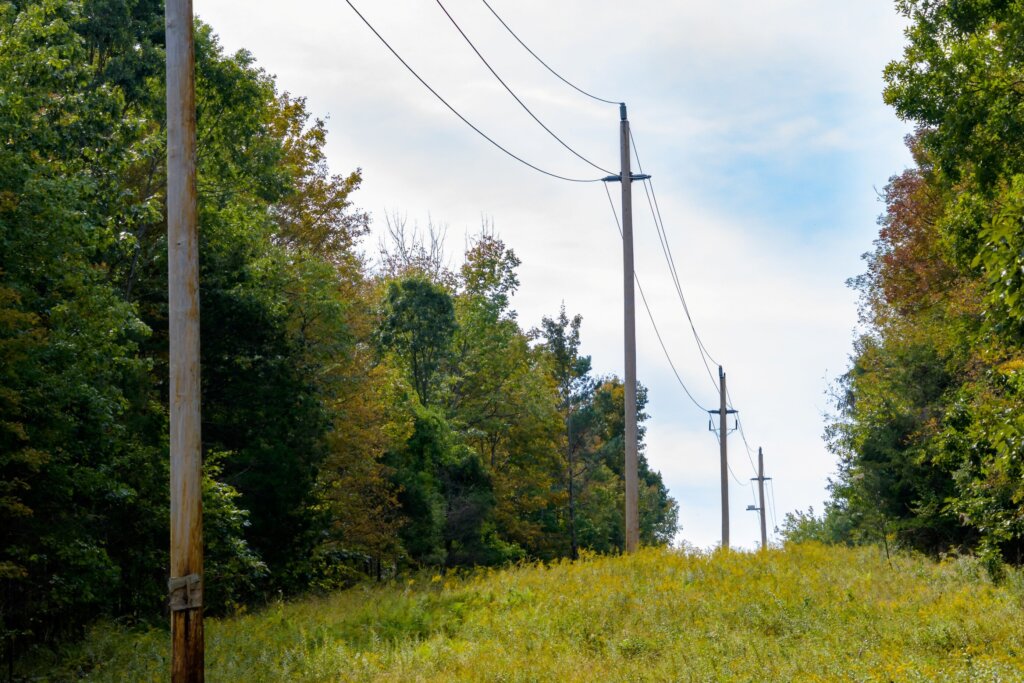
Utility easements: Local utility companies or city/county governments often use utility easements to cover power lines, water and sewer systems, and road maintenance. These easements allow them to run new lines through someone’s property, as well as access it for repairs or maintenance.
Right-of-way or access easements: Many rural properties are behind or even surrounded by other lots, so a right-of-way easement would allow someone to pass through adjoining property to reach their own. These easements are between the neighbors, so other landowners couldn’t do something similar.
Drainage or stormwater easements: Stormwater management is a city-wide issue, and in many cases, the safest and most efficient route for water to flow is across private property. A stormwater easement would allow the city to install/maintain drainpipes, swales, ditches, and other management techniques, while also preventing the homeowner from altering the land covered by the easement.
Shared driveway easements: Some neighbors share a driveway (especially on older, smaller lots), and establishing a formal easement helps prevent new owners from refusing to accept the agreed terms.
Conservation easements: Mostly for rural lots, conservation easements protect natural landscapes, including valuable wetlands, from any development that would threaten them. They can be more restrictive, especially if the parcel of land is a significant portion of the lot, because changes to another part of the property may still impact the covered area.
HOA or planned community easements: With the number of HOAs growing, more and more homeowners are living under HOA rules, which often include easements. These are usually called reciprocal easement agreements and give homeowners access to shared spaces, and allowing the HOA to collect dues/fees to maintain these spaces. Like the easement itself, selling a home in an HOA the contract also transfers to new owners.
Easements are required to be disclosed by the seller, so the most likely reason for finding one after buying is that the previous owner didn’t know. To learn what if any easements are placed on a piece of property, you can check the title report or any property survey for a written record. Title insurance can protect buyers against easements that weren’t disclosed before the sale, further incentivizing them to double check beforehand.
3 Ways an Easement Could Make Selling Harder
For the vast majority of homes, an easement isn’t going to complicate the sale. The most-used easements, utility, access, and drainage, usually only apply to a small portion of the land for limited uses. A conservation easement is the most likely to impact interest from buyers, since they’re more extensive. But certain situations with more far-reaching easements can start to impact the buyer pool.
The easement severely limits what can be built or changed: Conservation and drainage easements often have sweeping rules against altering the property in and around the easement. Buyers who want to expand, place outbuildings, or complete other projects would be disallowed from doing so.
The easement is openly disputed between neighbors: As neighbors move and ownership is transferred, easements that were unobtrusive to the original owners could become sources of frustration to the current owners. Shared driveway easements are the usual suspect, but there are also party wall easements for townhomes or other housing with shared walls. Buyers that become aware of these disputes may choose to avoid getting involved.
The easement causes a significant loss of privacy, quiet: Extensive construction or proximity to public infrastructure can also discourage buyers hoping for a quieter lot. For example, airports are allowed easements to fly low over homes near the runways, causing constant noise. Many buyers don’t want to deal with that, even if the noise is temporary.
Informal Easements
Many easements start out as informal, verbal agreements between homeowners for something they consider minor, like shared use of a driveway. While easements need to be disclosed, without putting anything in writing or formally filing the easement, there’s no paper trail, and the easement won’t be listed with the title. Sometimes the easement is implied after years of informal use, and is called a prescriptive easement.
This can cause problems if an owner discovers the easement after buying the property, or argues it should be enforced differently. Also, lenders and title companies may require clearing up any informal easements before they’ll move forward with a sale. A quiet title action or mediation with the neighbor to resolve the issue is the best move.
Can Easements Be Removed?
Even though easements remain attached to a property between owners, they aren’t necessarily enforced forever. Easements can be removed if the person or business benefitting from them doesn’t need them anymore.
Express release: The beneficiary formally signs away their rights and records it with the county. Utility companies use them when they no longer need to access that equipment.
Mergers: Easements are only created as agreements between different parties, so if one person or company ends up owning each property involved in the easement, the easement goes away.
Abandonment: Sometimes the beneficiary stops using the easement entirely. While a lack of use for a while isn’t enough to remove the easement, obvious signs that the beneficiary does not intend to use it can be. For example, they construct a fence that blocks their right-of-way easement.
Confirm or Resolve Easements Before You Sell!
Luckily, there are only a few scenarios where an existing easement could get in the way of selling your home. What’s more important is disclosing known easements, and clearing up any easements that are informal or dubious.
If a restrictive easement is making it harder to sell, consider reaching out to SoldFast to schedule an appointment for a cash offer. We’re happy to sit down and find out which path forward leaves you with the most money in your pocket, even if that means working with someone else! Give us a call at 855-276-5332 to get started.