
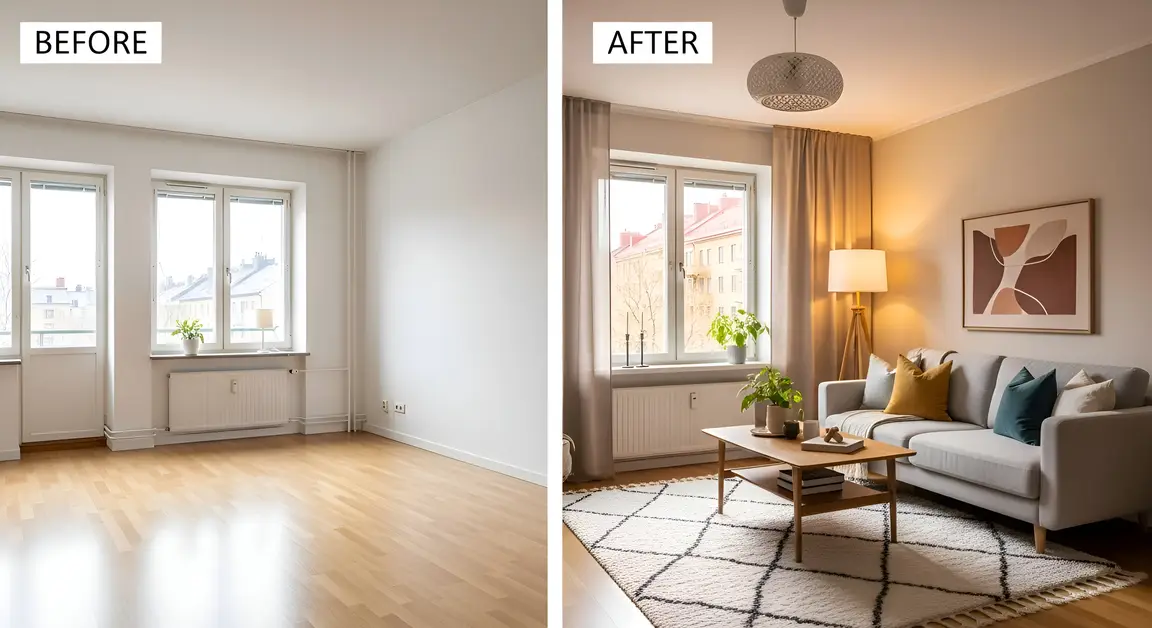
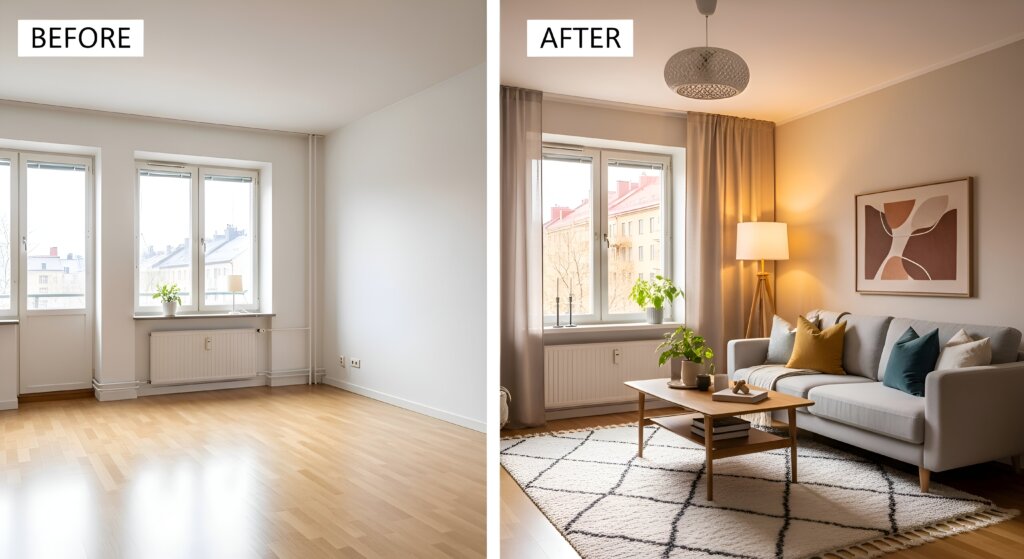
While it’s exciting whenever a deal is made and another home is purchased, getting that home ready for sale is its own challenge. Everything from big renovations to details for online listing could mean the difference between a bidding war and zero buyers after weeks on the market.
Staging is an enormous part of investor and agent success. Learning how to showcase the property’s best features can connect you more quickly with interested buyers, but it’s usually not as simple as a fresh coat of paint. The furniture you add (or leave behind), where décor is placed, and many other factors all go into successful staging. We’ll break down some tips to help investors and agents achieve professional-looking home staging.
First, Research and Prioritize
Before staging begins, you have to consider what’s popular in your market as well as what’s possible within your budget and schedule. If you have less to work with, it’s important to prioritize projects that carry the most weight with buyers. This means renovations or staging should be focused on the living room, kitchen, and master bedroom first. If you don’t know where to start, look up recently sold homes in the area. There may be styles or colors that show up often, giving you insight into what appeals to other buyers.
Do you have the opportunity to put some things in storage? Less furniture is usually preferable for showings, as visitors can imagine other layouts or their own belongings in the space. More established real estate agents who offer staging services may also have access to sets of furniture that can replace it. Multiple styles can be mixed and matched, and pieces are often chosen for being neutral and on the smaller side.
Tip: If you have storage space or a box truck, you can keep these sets of furniture on hand for easier access.
Curb Appeal Is the First Thing Buyers See in-Person
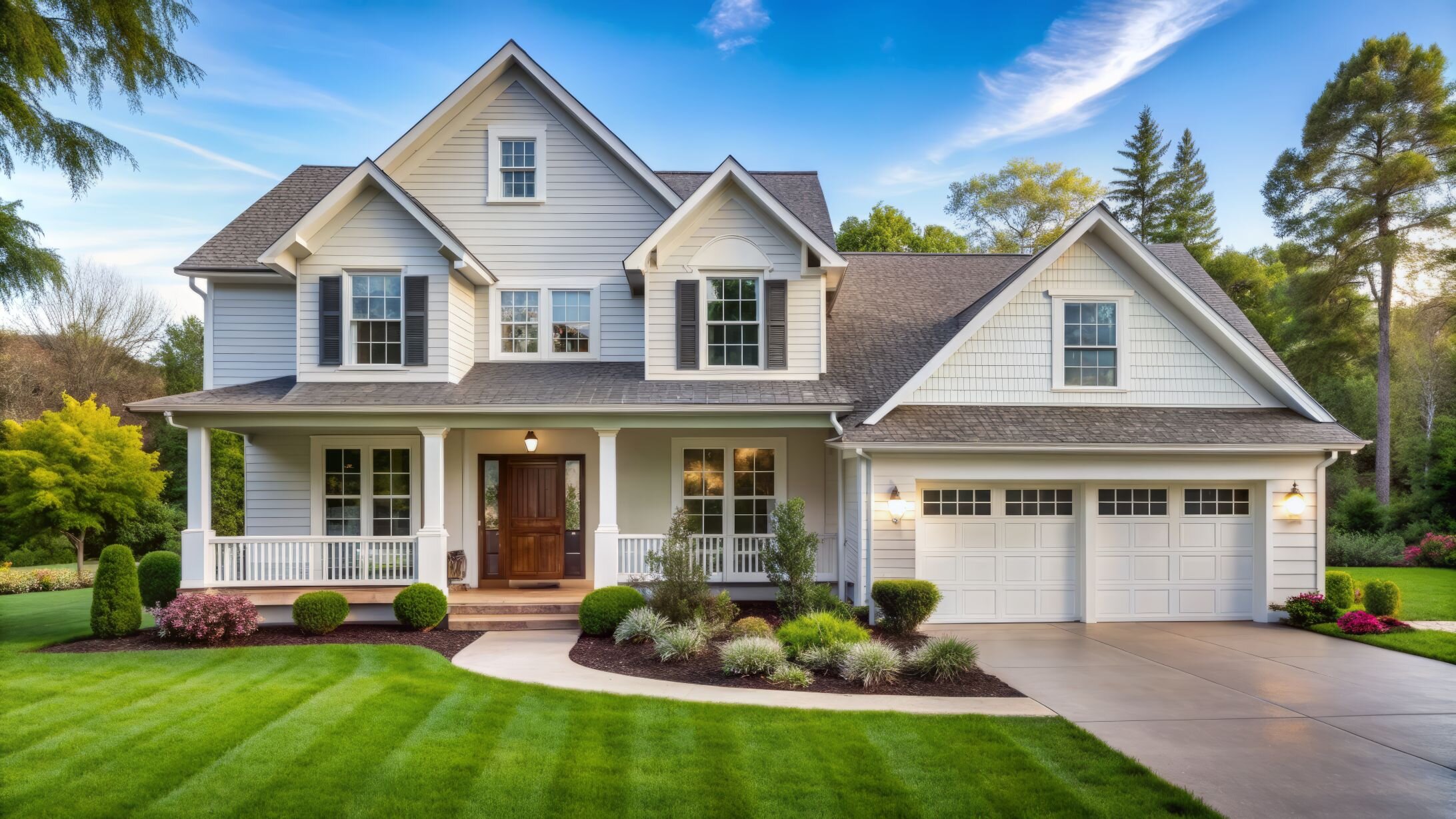
Don’t forget about the exterior of the home. It’s the first impression most buyers have of the property, and a view they’ll see every day when they come home. Wash or paint windows, doors, and siding, scrub away grime from the porch and sidewalk, and add more landscaping or seating to make the entrance feel warm and inviting.
Using plants native to the area is becoming more popular with buyers and builders alike, as there are many options to choose from that require less maintenance than traditional landscaping. This includes less watering and zero fertilization. This is especially useful in the late summer months, when the weather is at its hottest and driest. Coincidentally, this is also when many home shoppers are exploring neighborhoods and listing sites.
Tip: Uplighting the front façade looks formal and high-end. Two or three is usually enough, and focus them under windows instead of the front porch.
Maximizing Light and Perceived Space
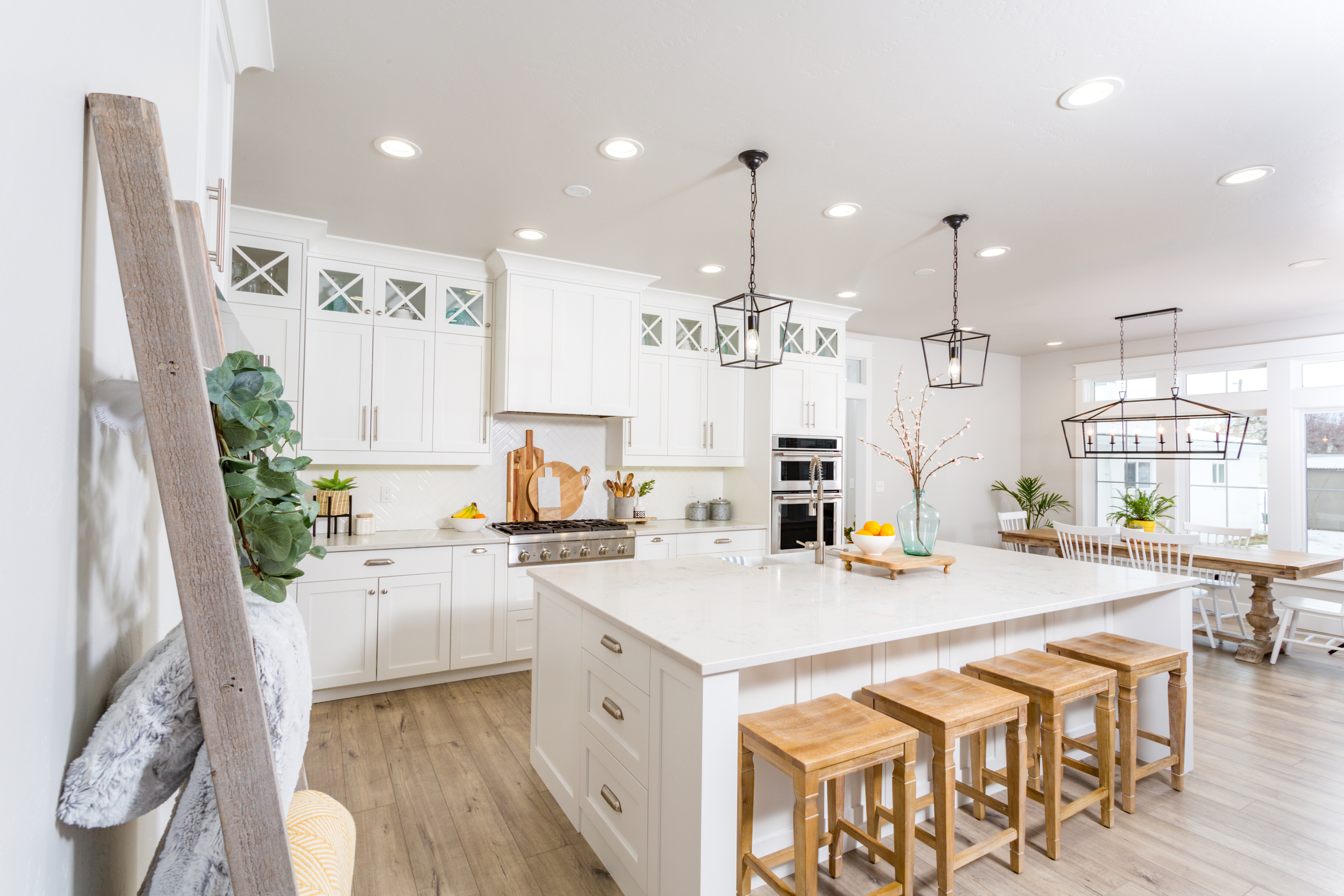
Once the home is clean and organized, the next step is providing as much light and open space as possible. Pull blinds and curtains back, keep floors clear, and install bright, warm-white bulbs throughout, although cool white works better in offices, workshops, and laundry areas. Arrange existing or staging furniture so foot traffic flows naturally, meaning nothing blocks walking paths. This reinforces both the movement and the division of the space.
Tip: A mirror placed opposite a window in a small room can also add both light and the feeling of more floor space.
Furniture and Décor Details
Walk through each room several times, and try to understand how each one could be better balanced. How colors play together, how sizing the furniture or artwork shifts how the space feels. Consider the architecture and existing color palette, and base your pieces on how you want buyers to feel in each space.
For all the details, including décor, layer in the finishing touches so you know when things start to feel too busy. A couple of objects on any given shelf or surface is usually enough, same with throw pillows/rugs. Repeat small design elements, like an accent color or décor piece to further create cohesion. But if there’s a spot you want to stand out, a unique art or furniture piece is a calculated risk that may appeal to buyers seeking that specific style. This works best with older properties with a clearly defined architectural style.
Other tips when staging the home:
- Base the color scheme of a space on a piece of art or furniture that really complements the room or home as a whole.
- Use white towels, curtains, and shower liners for a clean, universal look.
- Add a small coffee or tea station near the kitchen as a lifestyle touch.
Tip: If you’re unsure of how to repaint rooms, explore the 60-30-10 rule, which means 60% of the primary color, 30% of the secondary, and 10% of accent color keeps everything feeling balanced.
Photography and Listing
Finally, capture the results in a way that highlights the best of what the property has to offer. Bright but cloudy days are the easiest to work with, as they give the softest, most diffused light for photos, but sunny days work too if your camera handles HDR and white balance well. Turn on all the lights indoors, and open all the curtains or blinds. Photograph every room, but don’t overload the listing with 4+ angles of every space. With everybody being so digital (and some shorter attention spans), the best shot of each room, and maybe one more for a specific feature, may be enough!
Staging furniture may not always be necessary, but it’s more likely to be beneficial in neighborhoods with a lot of new construction. These houses tend to be designed more neutrally to begin with, so some example furniture helps complete the look, and can demonstrate to buyers how they could use each space.
Try not to photograph the home in such a way that portrays it as something it’s not. Buyers don’t like feeling like someone wasn’t honest with them, and this swing of opinion can be enough to turn them off to considering the property entirely. Showing off the best features is a good thing, but trying to make them up just leads to disappointment.

A wide-angle lens shows much more of the room at one time, making it easier to show the house’s interior without excess photos.
Speaking to Buyers: Transparent, Responsive Communication Is Key
Even when all the physical staging is done, there are things the seller or agent can do that help present the house in the best possible light. Being open with interested buyers about their options and responding quickly to queries solidifies the listing’s reputation as serious. At the heart of it, staging is about transparency; giving buyers a clear idea of exactly what the house has to offer, and what they’ll need to get it there. When a few well-placed pieces of furniture and décor can provide that idea, that’s when staging is most effective.
If you’re an agent, investor, or other real estate professional skilled in home staging, consider joining SoldFast. We can provide resources that expand your skillset, and share you the data you need to thrive in your market.