
How to Sell a House with Fire Damage
House fires, even when they don’t burn down the property, are still a massive problem that’s often expensive and time-consuming to fix. In cases where the damage is superficial or minor, full restoration is possible. More widespread or severe fire damage, however, can be difficult to remediate.
For homeowners looking to sell, fire damage can be a major hurdle towards finding a buyer, especially traditional retail. Fortunately, there are still options. Even when a house has extensive property damage, you can explore cash offers from local investors and other real estate professionals.
When Mitch purchased a property that managed to survive a fire, there was a LOT of work that needed to be done before the house could be considered inhabitable again. But one buyer’s nightmare is our bread and butter, and we knew a great home would be on the other side. Here’s how we repaired the damage and brought the house back up to code.
First, a quick crash course in how fires start, and how to prevent them
One of the biggest threats a fire poses to any property is its ability to spread quickly; mold or pest infestations expand slowly, but an uncontrolled fire can spread throughout the home and even destroy it before the fire department arrives.
Cooking accidents, like grease fires, are the most common cause of a house fire, but faulty electrical systems, improper use of home heating equipment, and even dryer lint can start a fire. Prevention is a combination of routine maintenance and vigilance concerning sources of heat and open flames. Checking smoke detectors, keeping the dryer/HVAC systems clear, and never leaving the stove unattended will go a long way.
It would need to be torn down entirely and replaced.
Why Does Fire Damage Make Selling a House So Hard?
When a house experiences a fire, even one that’s well-contained, the property is exposed to multiple forms of damage and legal hurdles. Understanding how each how it all affects the home and its potential to sell will help you make a more informed decision.
The property experiences multiple forms of damage
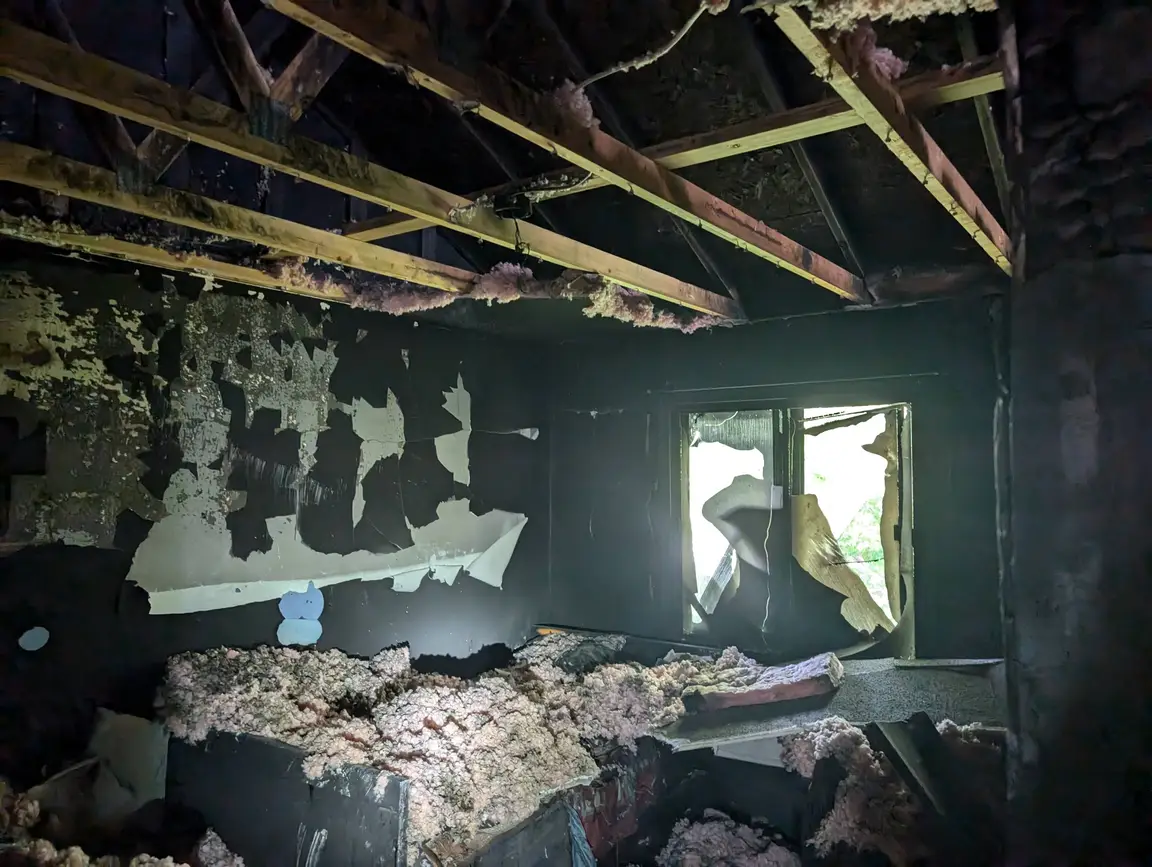
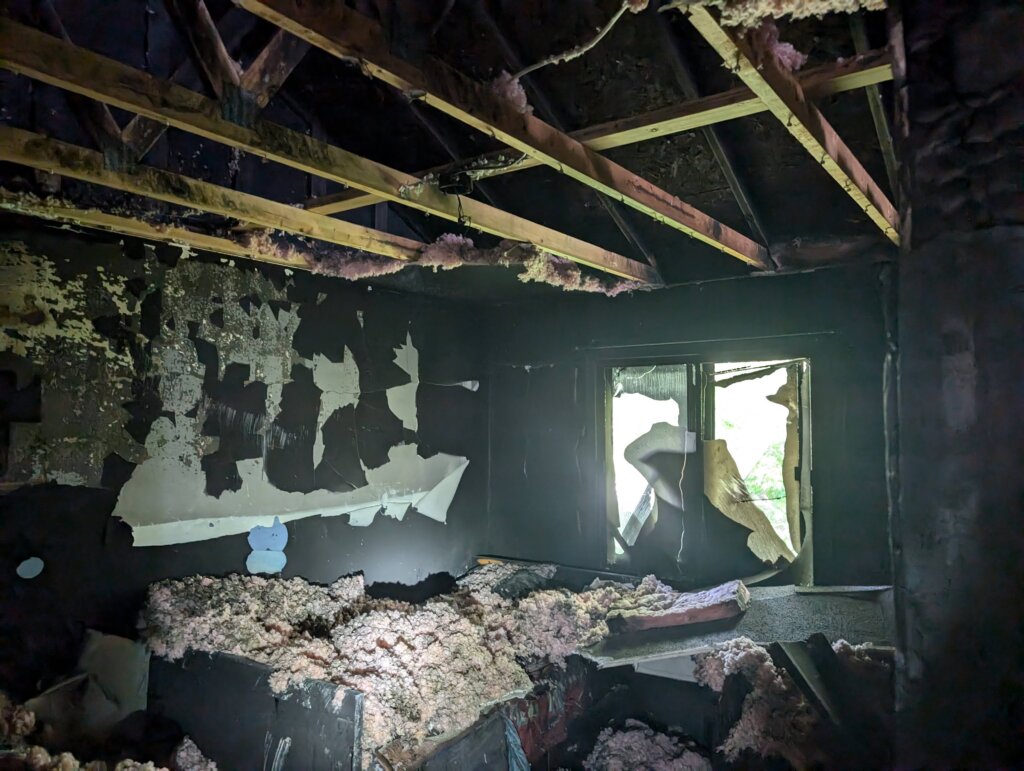
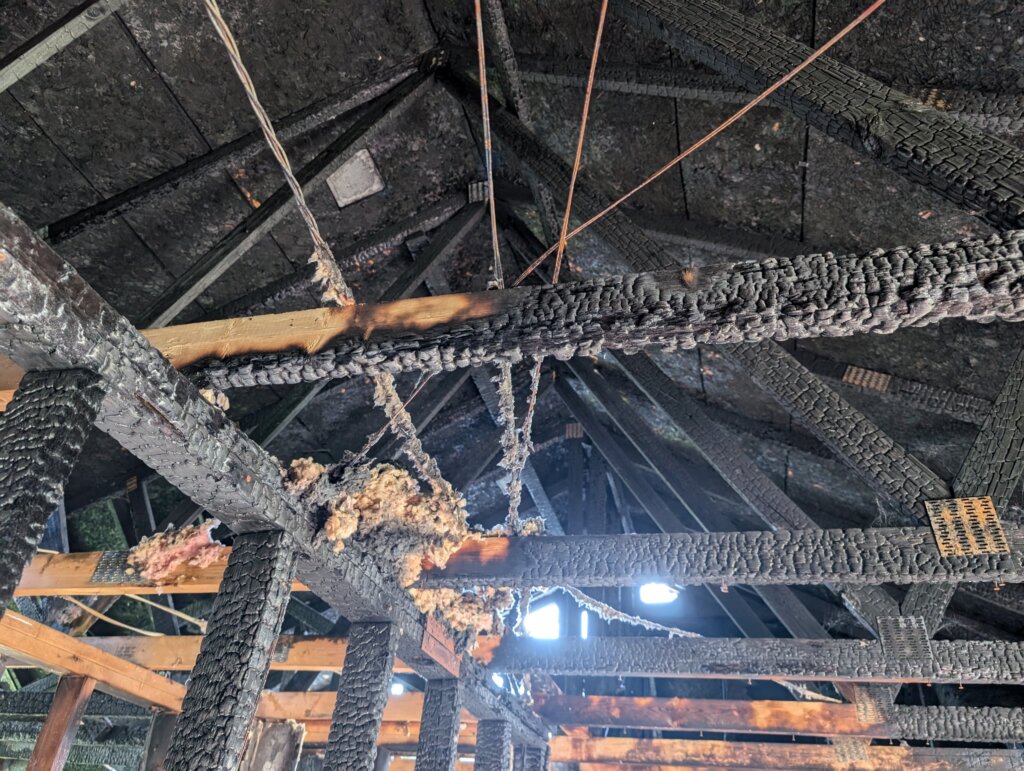
The fire itself: Cracked framing, melted wiring, and burnt insulation are just a few ways the heat from a housefire negatively impacts a house. It also produces a variety of unpleasant smells, many of which are difficult to remove without specialized equipment. Homeowners have found that even after replacing the cosmetic portions of the damage, the smoke odors still linger in less accessible spaces. This is partially because soot and tar can travel through the ventilation system.
Water damage from the sprinklers, and subsequent mold: In most cases, huge amounts of water from a sprinkler system or the fire department are used to put out housefires. But while the property is spared from burning down, the water used is saturating the walls, floors, and insulation. Unless this is mitigated quickly, mold spores can quickly take hold and spread thanks to the excess moisture.
Utility/infrastructure damage: Cleaning and remediation can take weeks or longer, and during that time, utilities are often switched off to prevent using damaged equipment, and to save on unneeded costs. Homeowners have discovered that even well after repairs are complete, their pipes froze or became clogged with debris.
Satisfying insurance and building codes
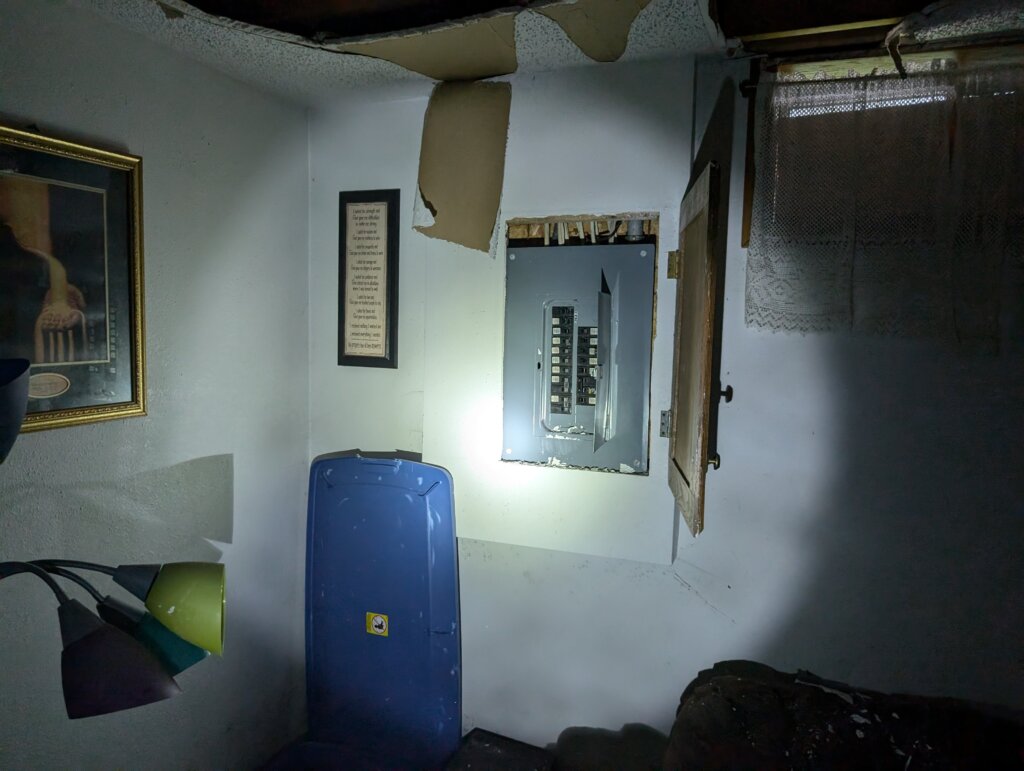
Aside from the physical damage, the property also takes a hit to its reputation in the eyes of insurance companies and mortgage lenders. Fire damage is required to be disclosed by most states, immediately flagging the property for buyers or their agents. Additionally, these homes may be much harder to insure after a fire has already occurred, and in fact many of the standard carriers won’t write a new policy if the house has fire damage that has not been mitigated yet. If they do write a policy, the premiums will be much higher than normal.
Securing financing for the property is also more difficult. Banks are less likely to lend on fire-damaged properties, especially when the damage is severe enough to be classified a “nuisance” by the city. Only full remediation or outright demolition will clear the nuisance designation. Since this locks out most retail buyers, the pool of potential buyers can shrink to investors and other self-funded professionals.
And finally, the standards for remediation are different. Building codes are constantly evolving, and virtually always require higher standards for safety than when the house was first built. In fact, modern fire codes are a large part of why housing materials are more expensive, especially when it comes to complexes with shared walls, such as condos, townhomes or apartment buildings.
Getting the Property Back Up to Code
Fire damage causes a house to lose its occupancy certificate of occupancy. Without, the property cannot be legally occupied by owners or renters. The certificate must be reinstated, so if we wanted to offer the property to buyers, full remediation was the only option. Luckily, that’s just what we were prepared for.
First, we needed a licensed structural engineer with fire restoration experience to walk the property
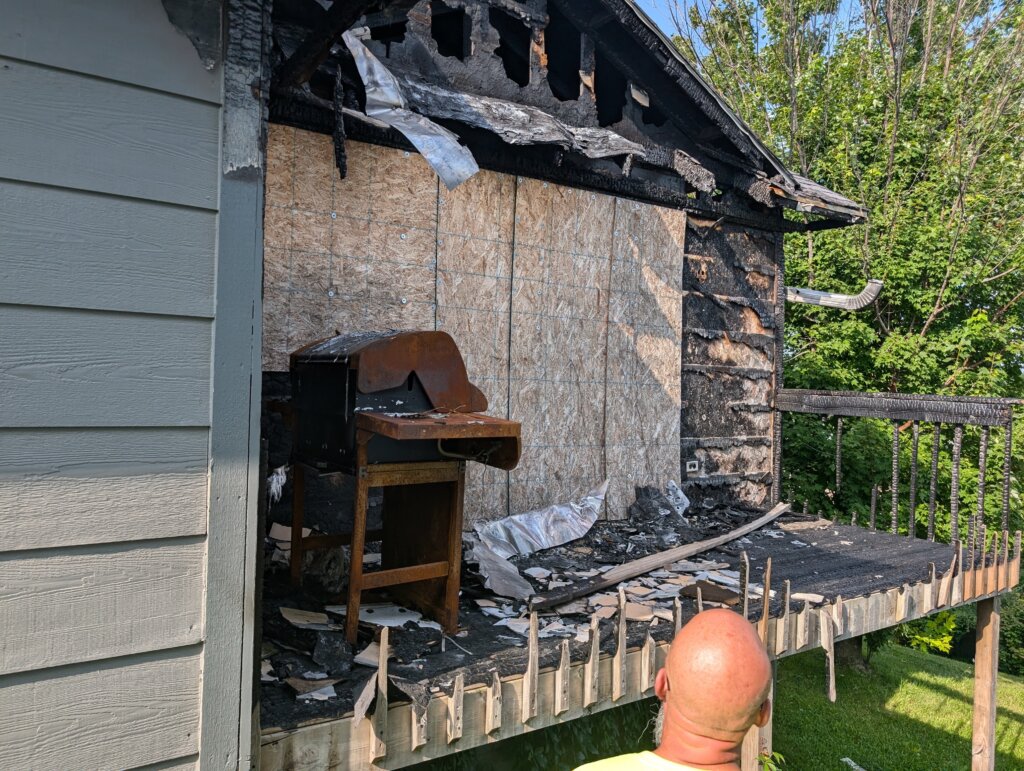
They have the experience to determine what framing is salvageable, and if the foundation experienced any damage. Load-bearing walls and roof framing are particularly important, and unfortunately, there was more than enough damage to these areas. The math favored a tear down to the foundation, and all we were able to save was a handful of floor joists.
With older houses, it’s important to note that you may also need abatement contractors for hazardous materials like asbestos or lead paint. Fire disrupts these materials and leaves toxic dust across interior surfaces.
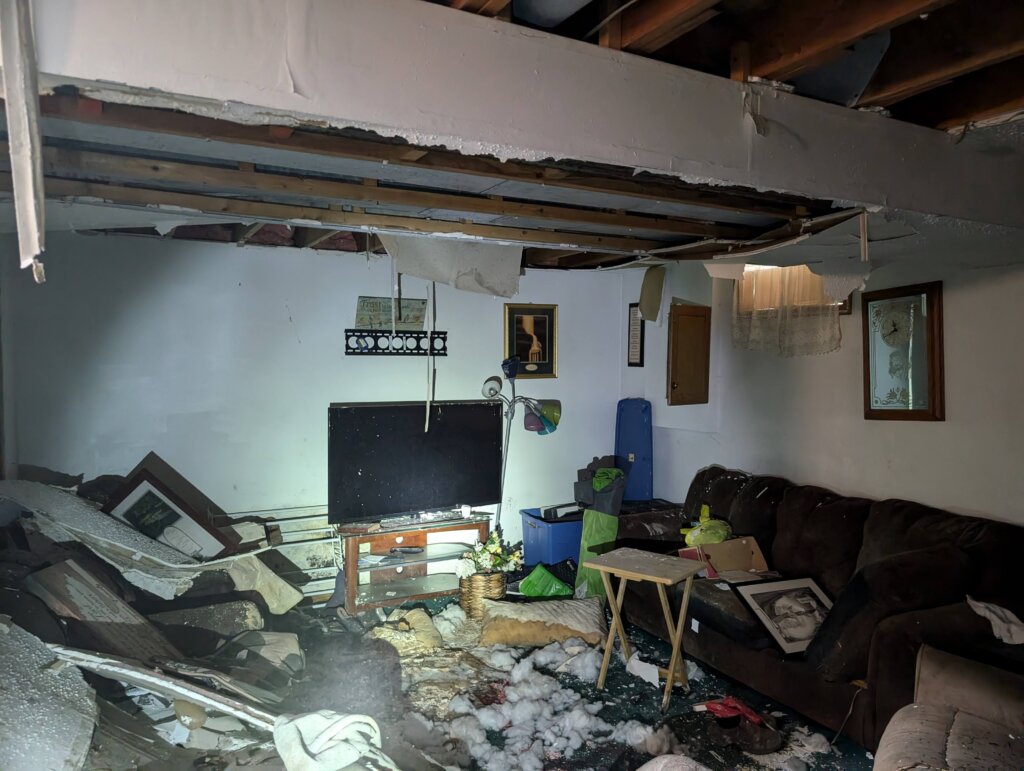
When it comes to fire damage, structural integrity is never something you want to assume.
Next, we handled demolition and cleanout
Even if you’re only gutting part of the interior, demolition creates huge amounts of debris that needs to be disposed of. We managed to fill several large dumpsters with the damaged framing, insulation and other unsalvageable materials. Thankfully, we could see that the foundation was in good enough condition to be retained.
Once that was done, we could start on structural repairs and utilities
Once demolition was finished and the debris hauled off, we could redo the structural elements like framing and roofing, as well as start on utilities like plumbing and electrical. Unless your crew has the experience (as well as specific certifications) to handle projects across so many different disciplines, bringing in other contractors will be necessary.
Scheduling all this can be tough, especially when most of the work needs inspection and sign-off as part of the occupancy reinstatement process. It’s also important to work quickly, as carrying costs like insurance and taxes continue to accumulate while the property still sits empty.
And finally, we could wrap up with finishing work and code compliance
This includes insulation and hooking up appliances/fixtures as well as cosmetic work like drywall, flooring, and cabinets. But even though the biggest projects are already done, it’s important not to get complacent. This is the work potential buyers will see at a glance as they decide if the property is right for them. Going the extra mile could mean the difference between a fast sale and sitting on the market for weeks.
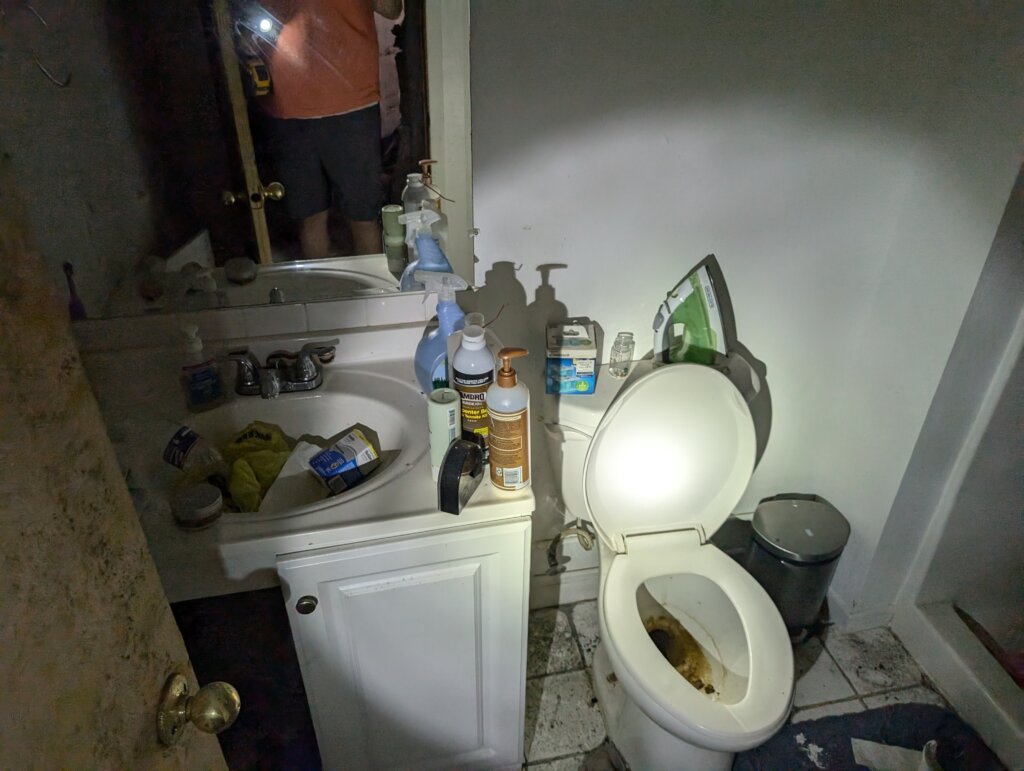
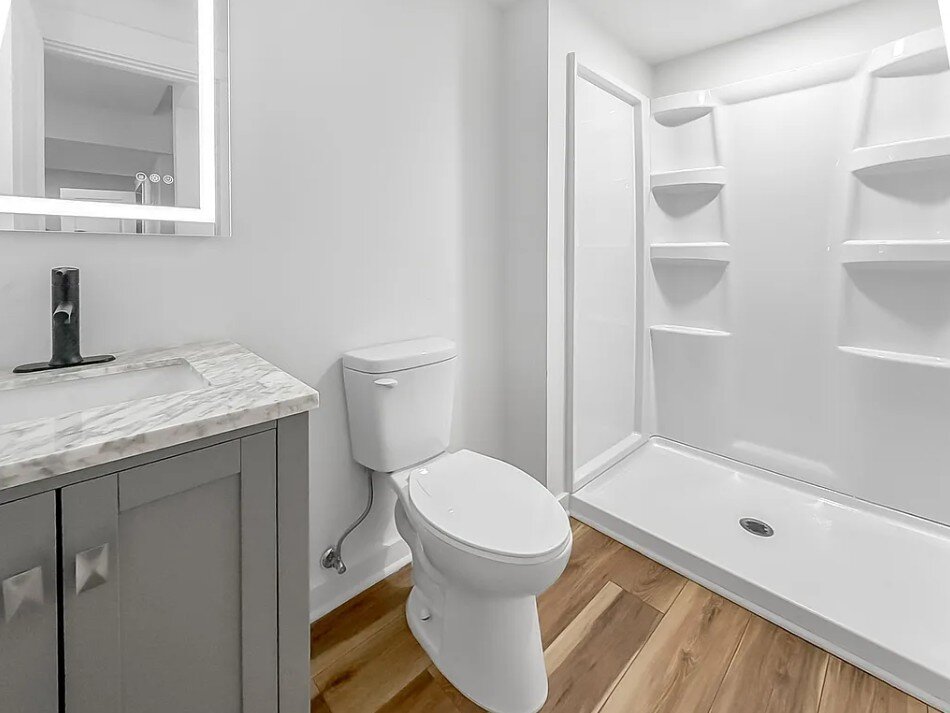
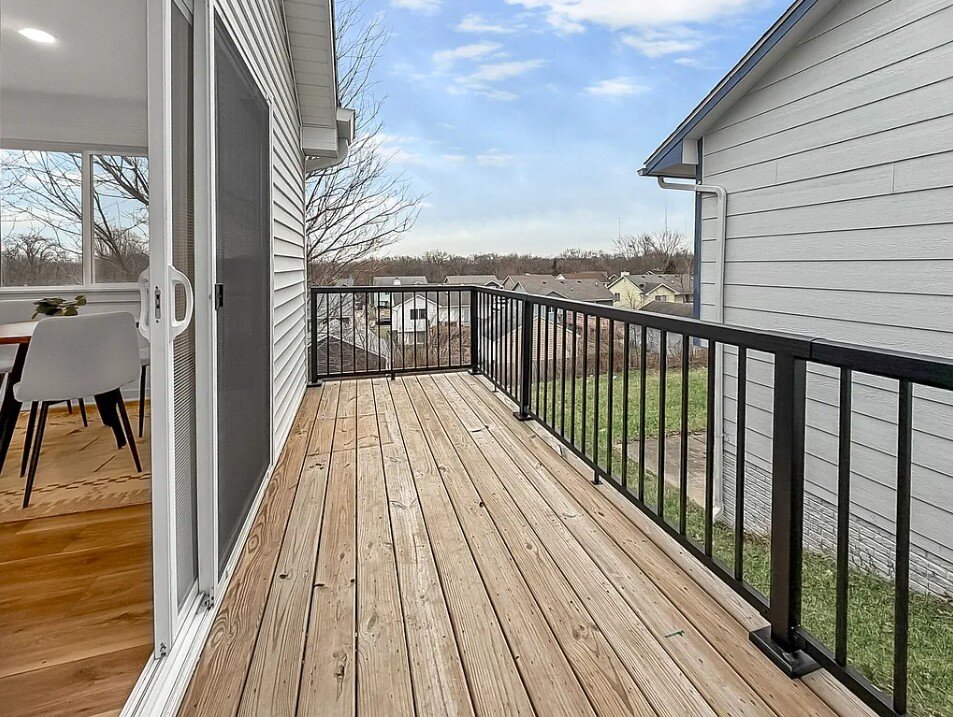
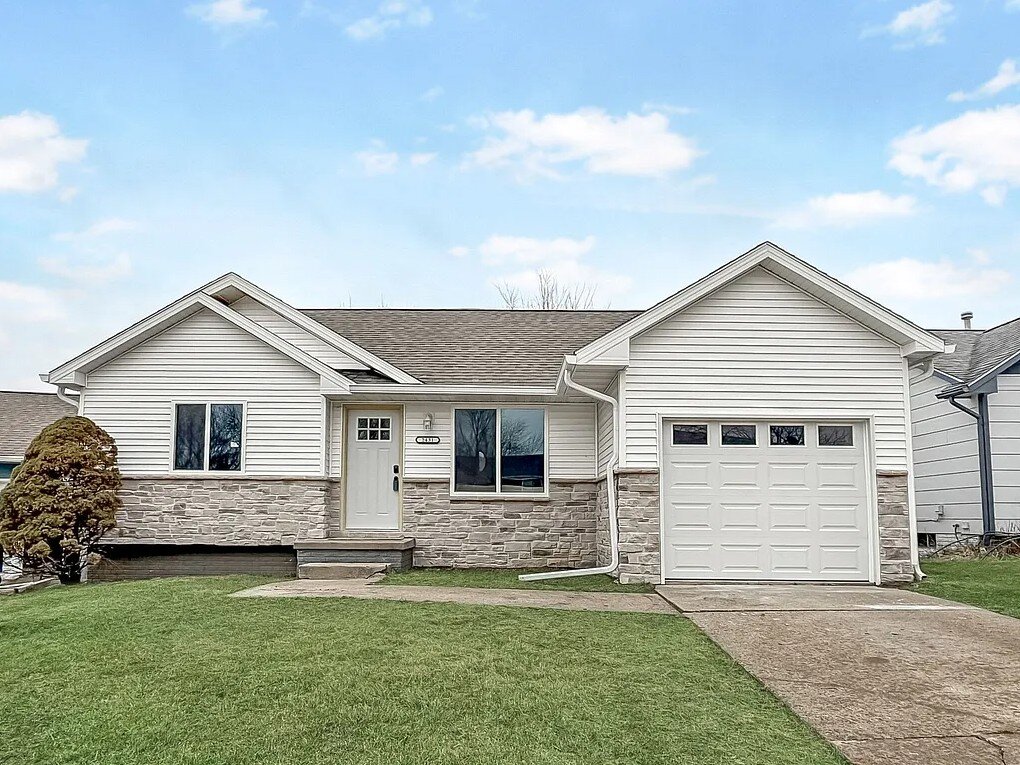
After months of hard work, the house was finally ready for listing!
With all that work ahead, some owners prefer to sell and walk away
When the math of how much time and money needed to fix fire damage is laid out, many homeowners decide it’s not worth the trouble, and would rather sell the property and walk away entirely. But when insurance and certifications aren’t in order, the number of potential buyers can shrink to just a handful. Rather than wait around for that kind of buyer, some sellers choose to look for a reputable cash buyer.
For the seller, a solid cash offer can mean no managing contractors, no wading through permits, and no carrying costs. Just a faster close and guaranteed money in their pocket. An ethical, local cash investor will understand the true scope of the work ahead, and have existing relationships with local contractors as well as the resources to see the entire project through. That experience allows them to make a fair offer based on the property’s condition and what it will take to restore according to modern building codes.
If the damage is mostly cosmetic…
Like surface-level smoke damage or a contained fire in one room, offers are based on the after-repair value or ARV against the risk of investing in restoration. Nearby sales and the age/size of the home factor into the final number
But when the damage is structural…
The only viable path forward is usually a teardown and full rebuild. In these cases, the cash offer is largely based on the value of the lot itself. Buyers have to consider the additional demolition and inspection costs as well as the higher risk of ground-up construction work. When properties are considered distressed and unmarketable, this makes a cash offer the best way for the owner to get as much value as possible.
Get in Touch with SoldFast If You Can’t Sell Your House with Fire Damage
If you’re a homeowner dealing with a dead-end property damaged by fire, consider reaching out to your nearest SoldFast Operator to help you explore your options. We’ll tell you what makes the most sense, even if that means going with someone else. Give us a call to schedule an appointment and learn how you can move forward!