


A Room by Room Breakdown of What to Renovate Before Selling
As homeowners get everything ready for selling their house, it’s common to consider adding value through home improvement and renovation projects. Fresh paint here or a new appliance there can have a major impact on your home’s top sale price. But not every renovation is considered equal, and picking wrong means spending money and getting little to nothing back.
If you’re struggling to decide whether to put the work in or not, try learning more about which projects are the most likely to offer a return on your investment, and compare that with your budget. You’ll quickly get a sense of what’s worth fixing up first, and when it’s better to sell as-is. We’ll help you get started with this guide for common projects in each room of the house.
Some Renovations Pay Off More Than Others
Return on investment, or ROI, means you get back what you put into a project by raising the sale price. So a project with 100% ROI means you got everything back. Anything above that means you made money on the work itself, but that’s not always easy to do. Every buyer is different, and many projects draw some in while pushing others away. The real estate industry has gradually learned which fixes offer the best ROI across the board, and how to prioritize them when the budget is limited.
Many of the most effective projects are simple, visible fixes that resolve pain points with the house, but there are also major renovations that guarantee some increase in value. Committing to a mixture of the two will offer the best results.
The current market conditions also matter. Every neighborhood’s price range is based on what other buyers were willing to pay. If you renovate the kitchen past what homes nearby can offer, you probably won’t see a return. In sellers’ markets, buyers are less picky so they don’t lose out, but in slower markets, a dated kitchen becomes a pain point they’ll use to knock the price down. Renovating strategically is so effective because it protects you no matter how the market is doing.
Room by Room Renovation ROI
Bedrooms
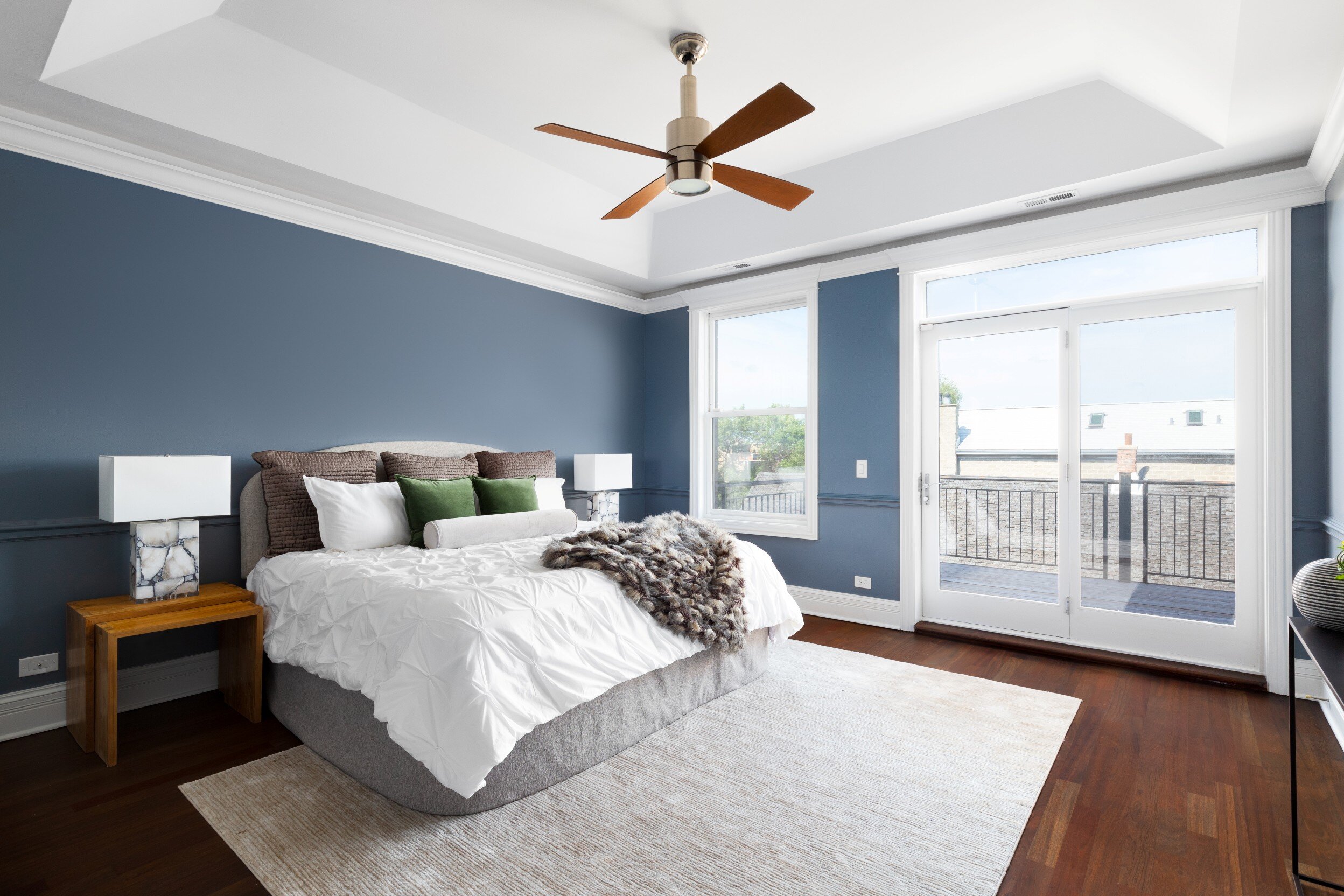
Bedrooms usually don’t need a lot of investment, so fresh paint in a neutral color and decent flooring will go a long way. Adding a ceiling fan or dimmer switches can be convenient renovations, but the best thing you can do with bedrooms is add more.
Adding square footage, especially in the form of bedrooms, offers a very reliable increase in value and can be a great way to increase the sale price. On the other end of the spectrum, one of the worst things you can do is turn a bedroom into a more niche space, like a home office or gym. The number of bedrooms is one of the primary filters buyers use in online searches, so getting rid of one instantly takes those buyers out of the pool.
Kitchen
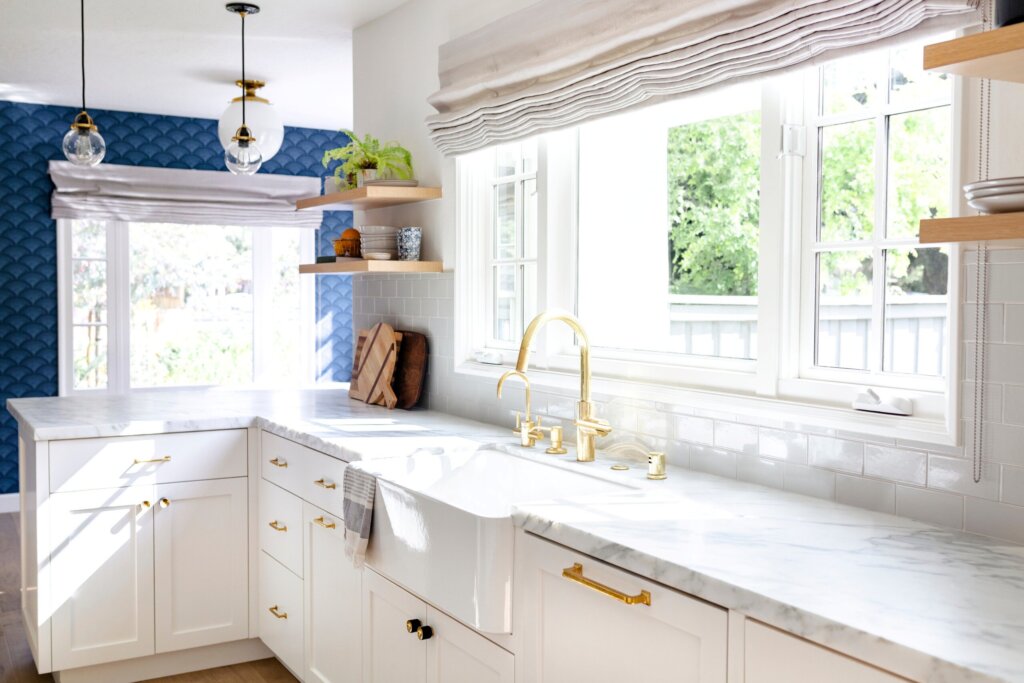
The kitchen also carries plenty of weight in a buyer’s decision, since it’s a high traffic area with a lot of expensive utilities and appliances. While a full remodel is a common dream, in reality, redoing the entire kitchen tends to have one of the lowest ROI of any renovation because everything costs so much upfront. Ripping out cabinets and tile, and upgrading/moving utilities are just a couple of the reasons these projects get so expensive.
A refresh is better. Add under-cabinet lighting for convenience. Refresh the paint on the walls and/or cabinets, and swap out the hardware if it looks dated. When you can also replace the countertops and install new, stainless steel appliances, the room will feel brand-new.
Bathrooms
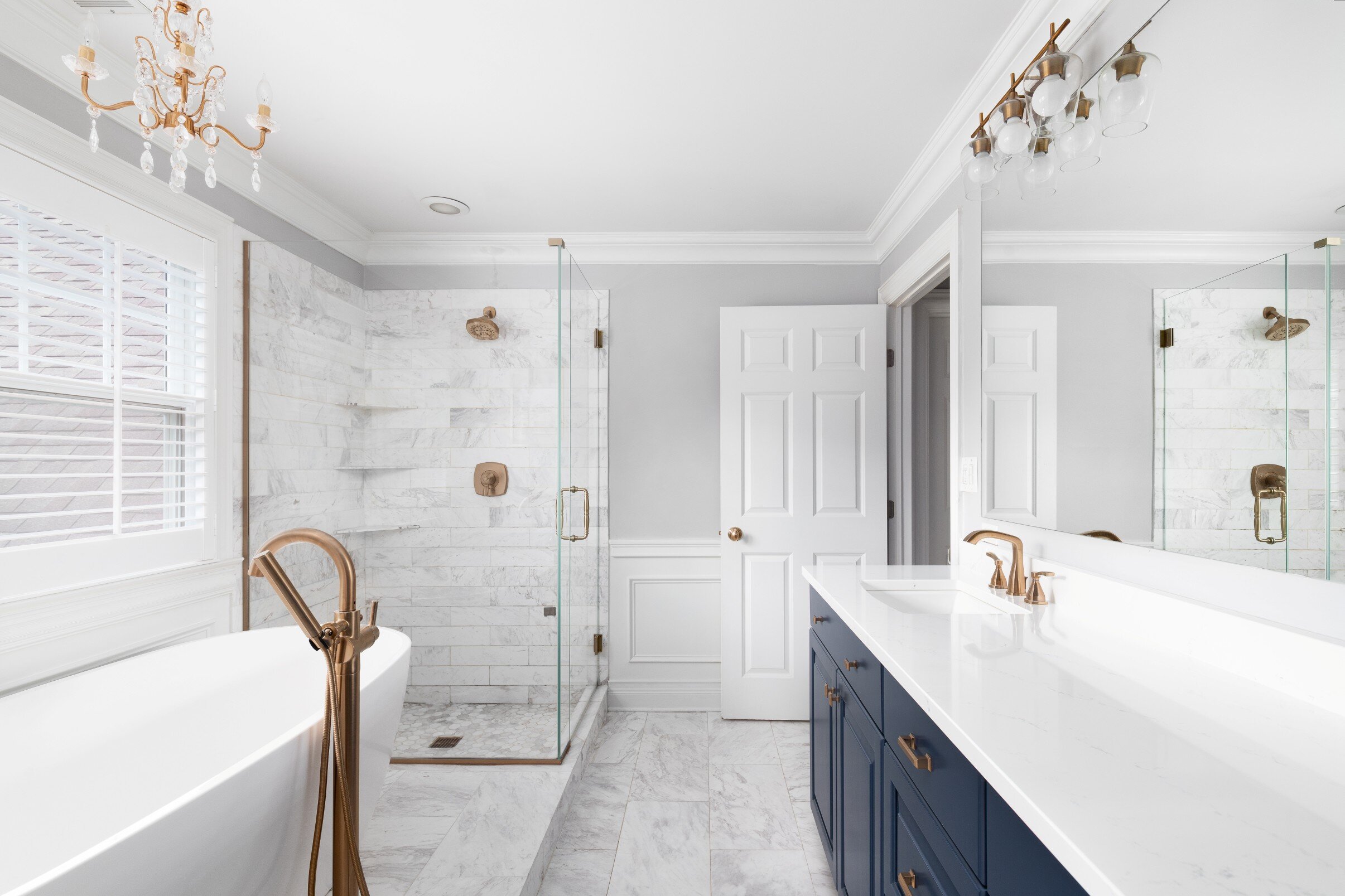
Like the kitchen, buyers frequently have different ideas for what the bathrooms need. It’s easy for buyers to be distracted by grime and dated fixtures, and can spoil an otherwise good showing. Thankfully, bathrooms are like the kitchen, in that you can add a lot of value without ripping the whole thing out.
So instead of ripping out the tub and rearranging the space, start with a new finish on the tub or fresh grout in the tile. Brighten up the lighting, and install a soft close toilet lid. Make sure all your renovations are moisture resistant, and consider installing a vent fan if the bathroom doesn’t already have one.
Adding a second bathroom to a house will help with value since there was only one before, but past that, the value from adding bathrooms not as consistent as it is with bedrooms. Otherwise, only do a bigger remodel when things are broken and unusable.
Living Room
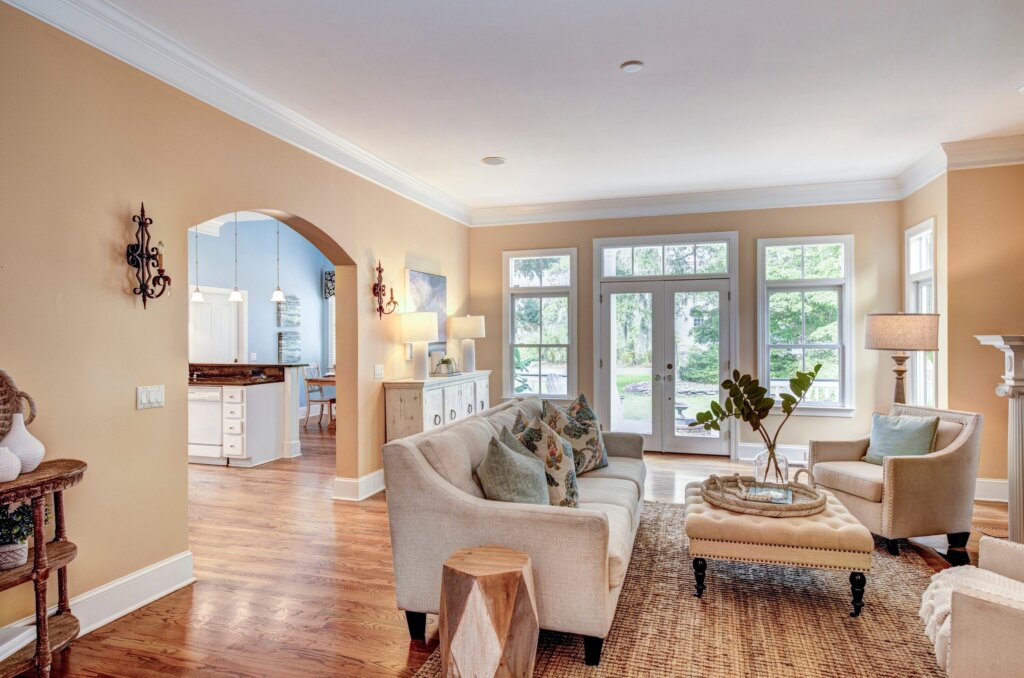
The “heart” of a home, living room renovations should make the space feel cozy, inviting, and multi-purpose. Add furniture if the room feels bare, or take a few pieces out if it seems cramped. Whatever you do, make sure the layout is appealing and conducive to foot traffic.
Living rooms tend to have a lot of wear and tear, so refreshing the paint and putting down new flooring can really help. If there’s existing hardwood floors, investing in refinishing them will be appreciated by many buyers. Similarly, scraping off popcorn ceilings and walls is tedious work, but buyers vastly prefer smoother walls for hanging things up.
If more in-depth renovations are needed, adding more outlets or recessed lighting is a good place to start. Open concept is still considered very desirable by many buyers, so knocking down a wall to connect the living room with the dining room or kitchen can make the property feel more modern.
Utility Spaces like the Basement and Attic
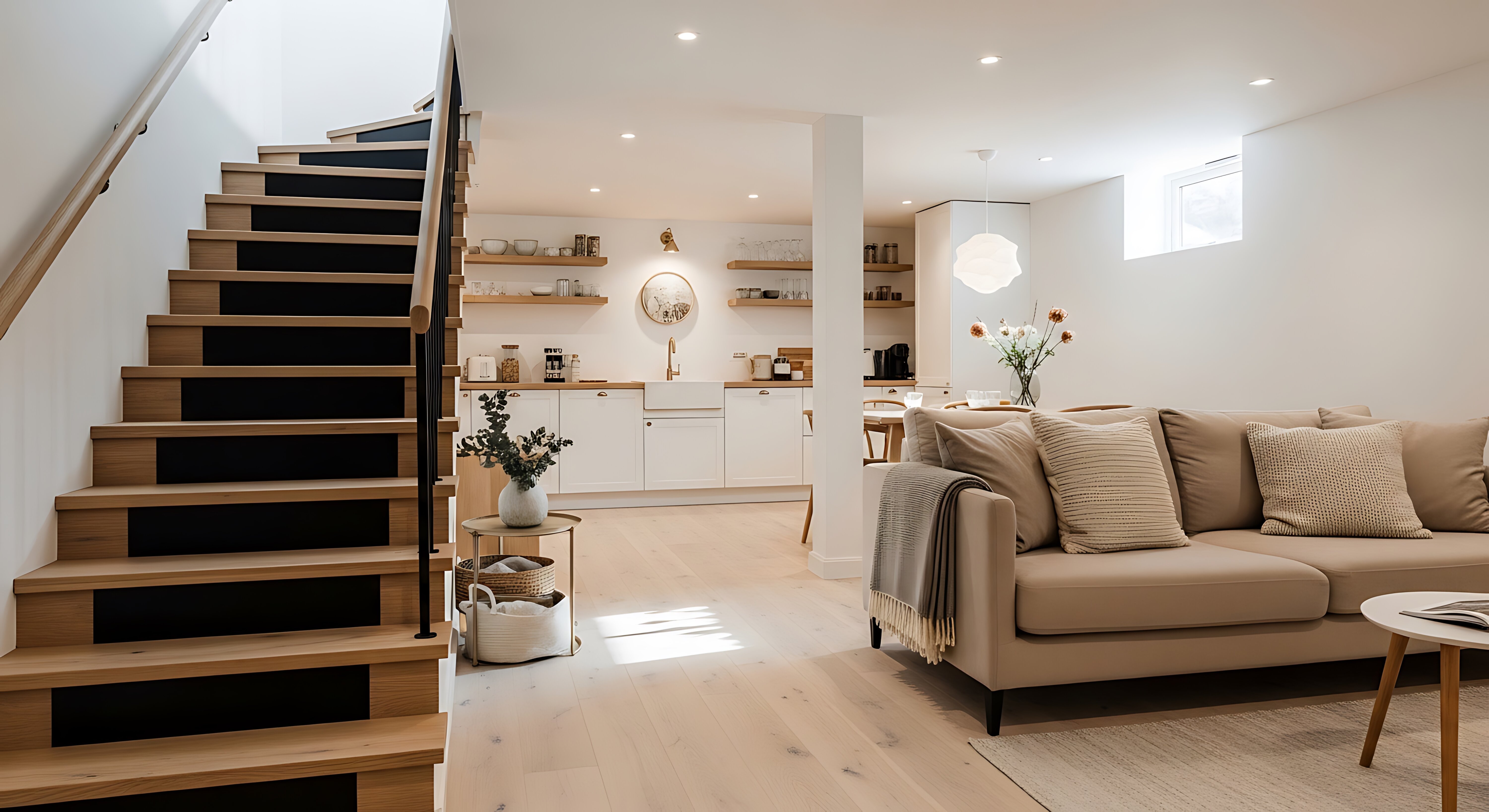
Extra, often unfinished spaces like the attic or basement can be a bit trickier. Finishing them adds more square footage, and can be the ideal way to add a new bedroom/bathroom, but they’re costly projects with longer timelines and multiple contractors. It helps to base your decision off the neighborhood. If most similar homes in the area have finished basements, doing the same for yours will keep the property competitive on the market.
For more specific renovations, adding more insulation to the attic is one of the best things you can do for the home’s long-term costs. Better energy efficiency is something every buyer appreciates, especially when it means they won’t have to replace the furnace or AC as soon. Waterproofing the basement rounds things out, and should be considered if leaks or flooding is a real possibility.
Exterior and Curb Appeal
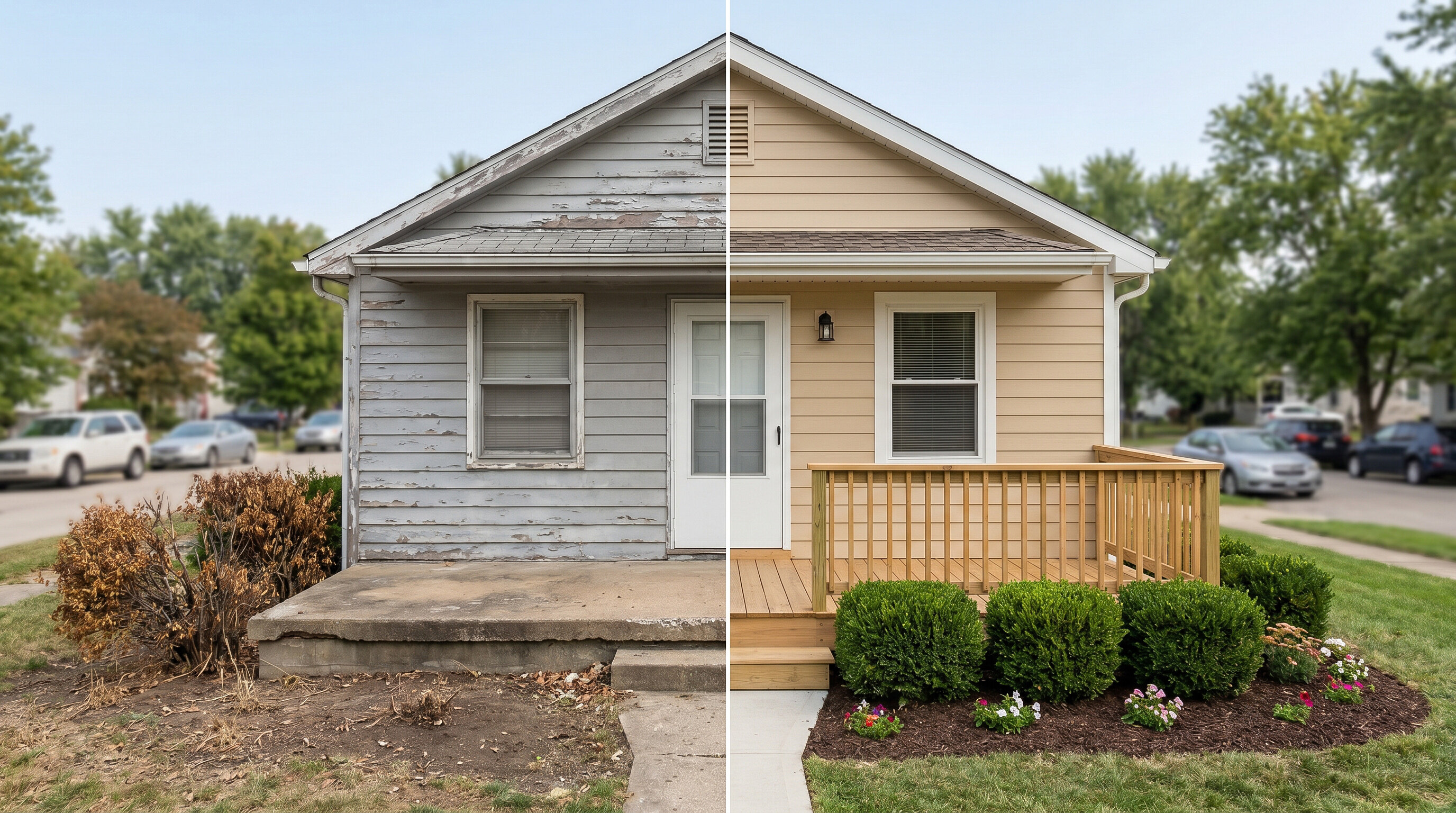
Did you know that the front façade is one of the best places to invest your renovation budget? The home’s exterior is the first thing people see, making a strong or weak impression based on things like landscaping and the quality of the paint/stain. In many cases, focusing the larger projects here will be the most effective.
For example, replacing the garage door is considered one of the best projects to complete, with a ROI as high as 85-95%. This is partly because the garage door is often a huge part of the front façade, so a visual upgrade changes that first impression significantly.
Other projects to consider include upgrading the lighting, replacing the house numbers, weeding and fresh mulch, correcting overgrown landscaping (or adding new beds), repainting the door and trim, and a full cleaning with a power washer.
Renovate According to Your Budget and Neighborhood Value
While each room serves very different purposes, the ideal renovation projects are often the same. They’re usually small and cosmetic, visibly correcting a flaw, but others are about convenience and functionality. What matters most and connects them all is that the most buyers see the value in them. Fresh paint and lighting end up offering more than full remodels, which almost never recoup their cost. Tuning into what’s popular in your local market will help you identify which renovations are worth the investment.