
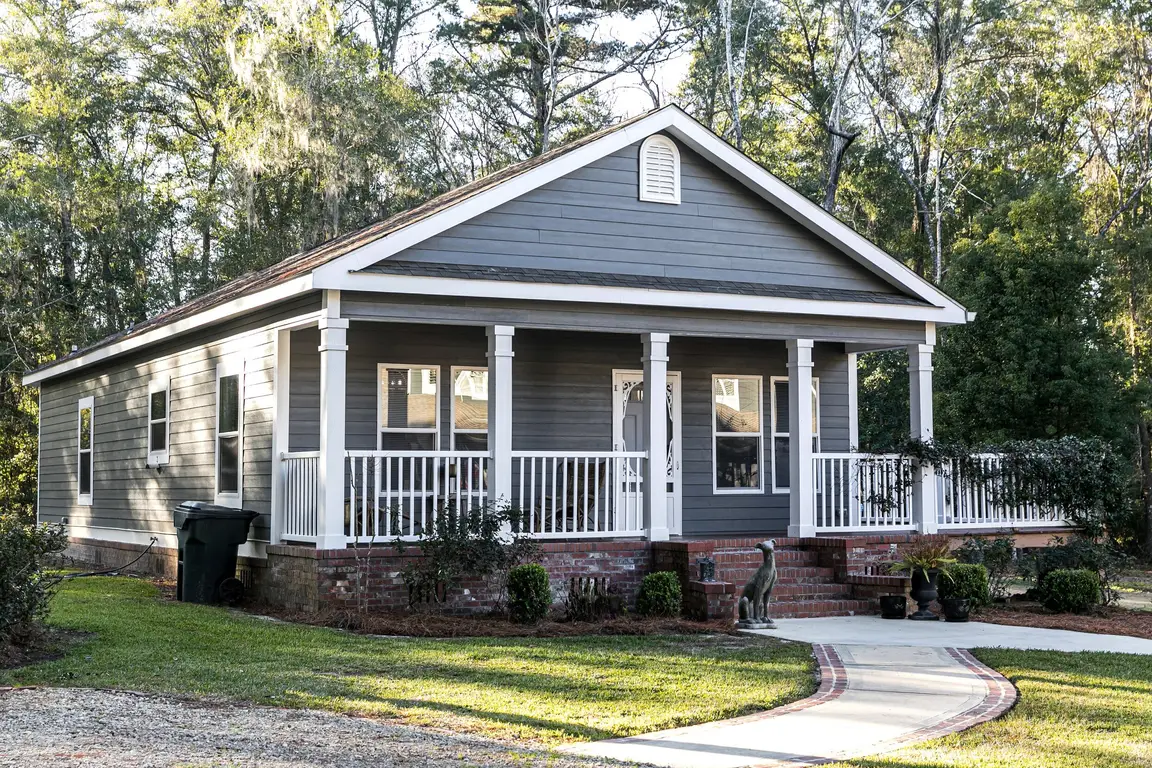
Selling a Mobile/Manufactured Home
A mobile home is a simple, affordable solution for housing, with millions of Americans living in them. But when it comes time to sell, owners find the process is often different than what they know about selling traditional homes. While they’re both considered housing, there are different laws and requirements to sell a mobile home.
For starters, there are title concerns to clear, rent and fees to settle, and approvals to secure. The process differs even more depending on whether you own the land beneath the mobile home. We’ll help you learn how the process works with this guide to selling your mobile or manufactured home.
Mobile Homes Aren’t Like Traditional Homes, Or Even Trailers
Also known as manufactured homes, mobile homes are smaller, more lightweight residences built in a factory and then assembled on site. They were called mobile homes before June 15th, 1976, when the U.S. Department of Housing and Urban Development began to enforce the National Manufactured Housing Construction and Safety Standards Act. This set of uniform rules for structural and safety codes helped stabilize the heavily-unregulated industry, and homes built under these standards were officially designated “manufactured homes” rather than mobile homes. Because all factory-constructed homes must follow these same standards, calling them manufactured homes became the norm. Still, many people commonly refer to these types of residences as mobile homes, and the terms are considered interchangeable.
But just because they’re also a residence doesn’t mean manufactured homes are the exact same as a traditional home with a foundation. They’re different for a number of reasons, including:
They can be moved: Constructed with steel chassis and placed on wheels, manufactured homes aren’t tied to one location, and can be moved if needed. This is often the case when someone purchases land intending to build a home on it. The mobile home can be out of the way until any anchoring or foundation work is done. It’s rarer, however, for a mobile home already in a park to be moved out, usually because of steep costs.
They aren’t trailers: While the both move and can be used for living, trailers and RVs are built as vehicles, and adhere to things like emission standards. Mobile and manufactured homes are considered vehicles for legal reasons, but they are held to standards strictly related to housing.
They’re considered personal property: Until you permanently attach it to the land it sits on, mobile homes aren’t real property in the eyes of lenders or the government, and laws that relate to real estate won’t apply.
They don’t own the land beneath them: Most mobile homes are on rented lots, where you own the house but not the land it sits on. “De-titling” allows owners to convert the mobile home into real property, and any future sales will be more like traditional sales.
They have laws and regulations distinct from traditional homes: Laws that regulate rent, evictions, and other housing concerns don’t always apply to mobile homes, even if the owner is currently paying rent for the lot. Mobile homes have their own regulations, and many aren’t as strong as similar regulations for traditional housing.
They have unique zoning requirements: Similarly, mobile homes have different zoning restrictions that dictate where they can be left. For example, many mobile homes can’t be placed on private land unless they meet certain requirements, like a permanent foundation or minimum size.
Here’s How You Sell Your Mobile or Manufactured Home
Since the mobile home is considered a vehicle, selling involves transferring title. You may end up working with the DMV, or the local housing authority to facilitate this. But even if you already have a seller, the park needs to approve the sale to begin with. They’ll check the buyer’s credit, income sources, and may sometimes perform a background check. If the park declines the sale for one of those reasons, there’s nothing you can do.
If you find a buyer, it’s likely they’ll fund the purchase using a Chattel loan, which has higher rates, but a shorter term. The loan terms are so different because the loan is for the home only and not the land. The lender will need to check the mobile home’s HUD tag and data plate to confirm the manufacturing standards. Without this information, it would be MUCH harder to finance and insure.
Appraisals and insurance also work differently. Comparable sales are less relevant with mobile homes, as is the homes’ location, so appraisers use a specific guide from the National Automobile Dealers Association (NADA), and place more value on the home’s age and condition. As for insurance, mobile home policies are underwritten differently, and can’t always get coverage from standard insurers,
Keep in mind that past sales may have been done without title transfer, so you may need to do a title cleanup before the deal can move forward.
Selling when you also own the land is different
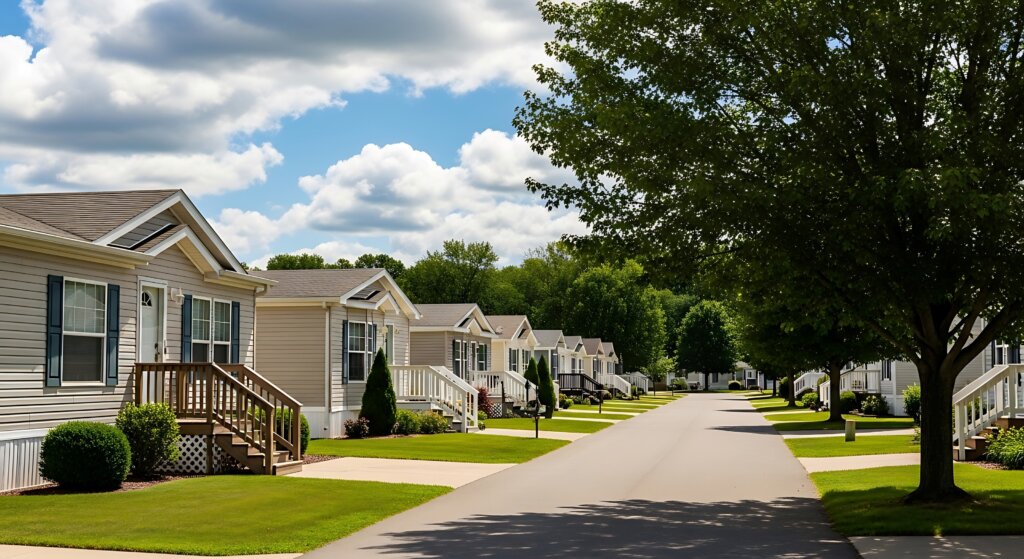
In these scenarios, it’s now treated as real property and involves a deed instead of a title. Owning the land in a mobile home park is rare, but can be the case if residents own the community through a co-op, where residents own a share instead of a single lot, or in manufactured home subdivisions, newer communities that let you buy your lot outright.
Final Checklist Before You Sell
- The title is clear and there’s no lien: Cash deals and long lists of previous owners make it worth it to double check that all the legal concerns have been resolved.
- You’ve settled lot rent and park fees: Outstanding charges can halt the sale, and statutory liens can be applied. Traditional liens like real estate and property tax liens don’t apply unless the home is permanently attached to the land, the title has either been surrendered or converted to real estate.
- The buyer approval process is requested: With many mobile home parks owned by property management companies, requesting this ASAP will minimize the risk of delays.
- You’ve collected the HUD tag and data plate info: This can usually be found in a utility closet or cabinet inside the mobile home. It will provide the date of manufacturing and all the specifications of the home’s construction.
- Get a real value estimate with NADA or an appraiser cleared to serve manufactured homes: Otherwise the value may be way off. If it’s too low, you’re leaving money on the table, and if it’s too high, it discourages buyers.
With the Right Prep, Your Mobile Home Sale will Keep Moving
As long as the mobile home’s value is appraised correctly, you know the title status, and understand that most mobile home sales don’t involve the land they sit on, selling a mobile or manufactured home isn’t a complicated process. It never hurts to contact the park’s office for information on their specific policies, or to get in touch with a local real estate attorney experienced with mobile/manufactured home sales.