
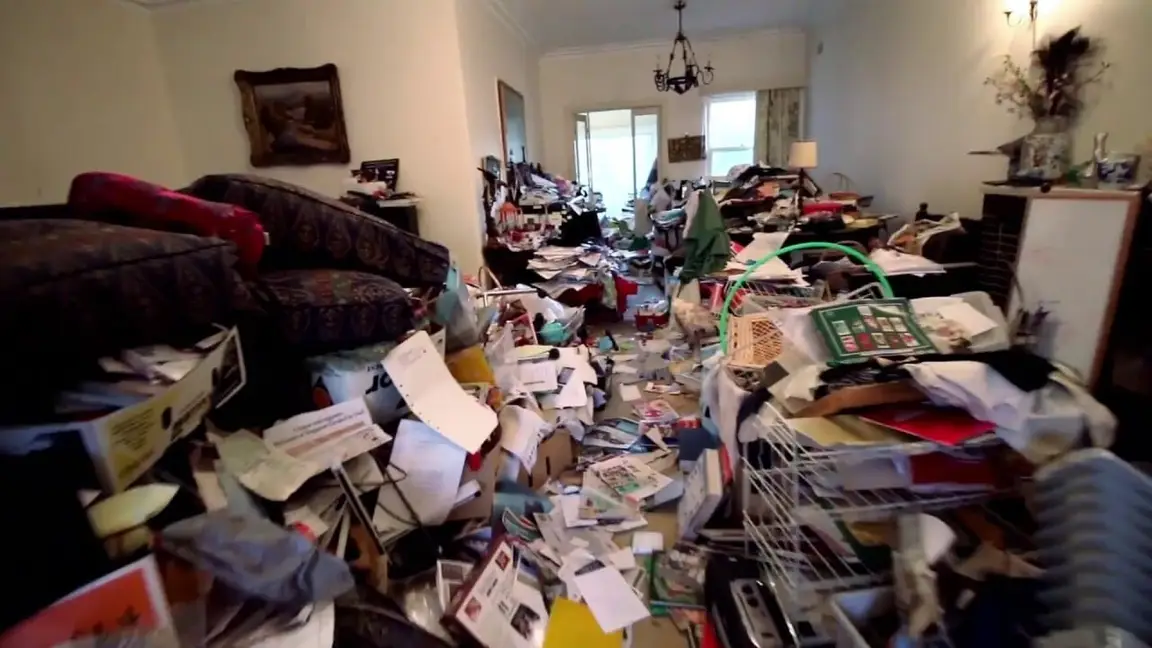
Clutter is a very common, almost expected part of owning a home. Life can get busy, and things start to pile up. When it comes time to sell, setting aside several hours for cleaning and organizing is usually all that’s necessary. But hoarding is a different matter.
Hoarding is a distressing compulsion to keep household items even when they aren’t useful or valuable anymore. Over time, this impacts the property in multiple ways, many of which make selling the home more difficult. Depending on how severe the hoarding was, specialized cleaning and maintenance services may be needed. In this guide, we’ll explain how hoarding complicates selling a house, and what steps are needed to get the property ready.
Why Hoarding Disorder Is Not the Same as Clutter
While most everyone accumulates some clutter over time, they’re still able to clean and organize. More importantly, they can donate or throw things away they don’t need anymore. Hoarding disorder is much more severe. It is a mental health disorder characterized by a compulsive need to collect things, and the inability to let them go. It’s often paired with other mental health concerns, ranging from common issues like anxiety and depression, to more serious conditions like obsessive-compulsive disorder or PTSD. It may feel devastating or even impossible to throw anything away, even if it’s broken.
Hoarding can overtake rooms and hallways, making them difficult to use or even access. Appliances and utilities become unusable and start to degrade. At its most extreme, hoarding can even turn the property into a biohazard.
Why Does Hoarding Make it Harder to Sell a House?
Selling a hoarder house comes with numerous physical and legal challenges that most people aren’t aware of, such as:
- Poor access to different parts of the house: Parts of the house that appraisers and inspectors can’t reach won’t be included in their reports, creating gaps of information.
- Stains, odors are hard or impossible to remove: Smoke, mold, and even waste can leave behind stains and odors that no amount of cleaning will remove.
- Large backlog of deferred maintenance: Utilities and appliances break down and continue to degrade, increasing the likelihood they will need to be replaced.
- Health hazards: Extensive pest and mold infestations are not unheard of, and when the hoarding itself involves animals, it can lead to horrific conditions that must be remediated by specialists.
Even just one of these conditions will deter retail buyers, and so when the property is dealing with several of these concerns, they can make a selling close to impossible. Let’s go into more detail on how these things complicate a potential sale.
Lack of Cleaning, Maintenance Becomes Structural and Utility Problems
Hoarded items hide everything from mold to sagging floors, and these minor maintenance problems will continue to worsen the longer they are unnoticed. As things rot or put extra stress on the home’s support beams and joists, this can result in failing utilities and even structural instability. Replacing what’s been damaged will be much more expensive than if routine maintenance had been provided.
Decluttering and Cleaning Often Requires Specialty Services
In cluttered houses, standard junk removal can clear the property of excess belongings and unwanted items. But when hoarding is involved, the conditions are often much worse. Deodorization, mold remediation, and smoke damage treatment are common specialty services that can resolve these issues.
Odor removal is particularly difficult, as surface cleaning and scented products can’t mask strong odors set into materials like the subfloor or insulation. In these cases, ripping out the affected materials is the only solution.
In more severe hoarding cases, materials may be contaminated with waste products, toxins, and infectious diseases. This requires biohazard cleanup, a costly, highly-specialized service that most buyers will not want to deal with, even if the remediation were completely successful.
Legal Hurdles: Disclosure, Title, and Estate Complications
Hoarding situations affect more than just the physical condition of the home, and can negatively impact legal aspects of the sale, such as:
- Disclosure requirements: Sellers are legally required to disclose known defects of the property, but hoarding hides these problems, and the appraisal/inspection may not even mention them. When these defects are discovered after closing, they become a liability to the new owner.
- Title and estate: Hoarder houses often show up in estate sales, and the children or relatives of the hoarder may disagree on what to sell, cleaning costs etc. Legal documents like a will or anything that would clarify title may be lost among the other items in the house.
Discouraged Buyers and Sellers
Even after cleaning and repairs are done, hoarder houses are hard to present well. Structural issues remain, and a long list of disclosures or inspection items is more than enough to deter an already-small pool of potential buyers.
Many of the situations described above are more complicated if the hoarder is still living in the home. Removing hoarded items can be extremely distressing, and they may disrupt the process or try and bring items back into the house.
How to Prepare a Hoarder House for Sale
If the goal is to list the property on the retail market, a number of steps will need to be taken to remove the clutter and address any maintenance issues:
- Declutter and remove junk: This should always come first, so you have a full understanding of the home’s condition. And due to the sheer amount of hoarded items, professional removal services are frequently necessary.
- Complete any specialty cleaning/remediation: Other projects in the home can’t be completed if there are bad odors or biohazards. Assess what can be mitigated with treatment services like water and smoke damage as well as mold and pest problems.
- Make structural repairs: Safety concerns should be handled first. More extensive mold, water and pest problems may require full replacement if they were left alone for too long.
- Simultaneously, address utility problems: Structural repairs give access for utilities behind walls or under floors. Whenever possible, go ahead and repair/replace them while the area is accessible.
- Deep cleaning and paint: Even if most evidence of the hoarding is gone by this point, the various renovation projects and other existing cosmetic flaws can be fixed with more routine cleaning, as well as fresh paint on stained or discolored surfaces.
- Staging and listing: After everything structural and cosmetic has been addressed, adding some staging elements like furniture or décor will help buyers visualize the space. But even if the difference is night and day, think carefully before describing the original condition of the home to buyers. Just knowing the property experienced hoarding is enough for buyers to make connections in their head and walk away from the sale.
Selling Retail Isn’t Always Possible with Hoarder Houses
Junk removal, specialty remediation, and repair/maintenance projects can quickly add up to tens of thousands of dollars. When sellers start to get a true sense of the costs and effort required to get the property ready for listing on the retail market, many decide that effort isn’t worth it.
In these cases, sometimes the best viable option is to seek a cash buyer. Many of these buyers are aware of the conditions hoarder houses are in, and are prepared to put the work in to restore them. Keep in mind, however, that their offers will reflect this work and the risk they take (and may also be impacted by an incomplete appraisal). But this willingness and their capability to provide their own funding, makes them one of the most common buyers for these types of properties.