
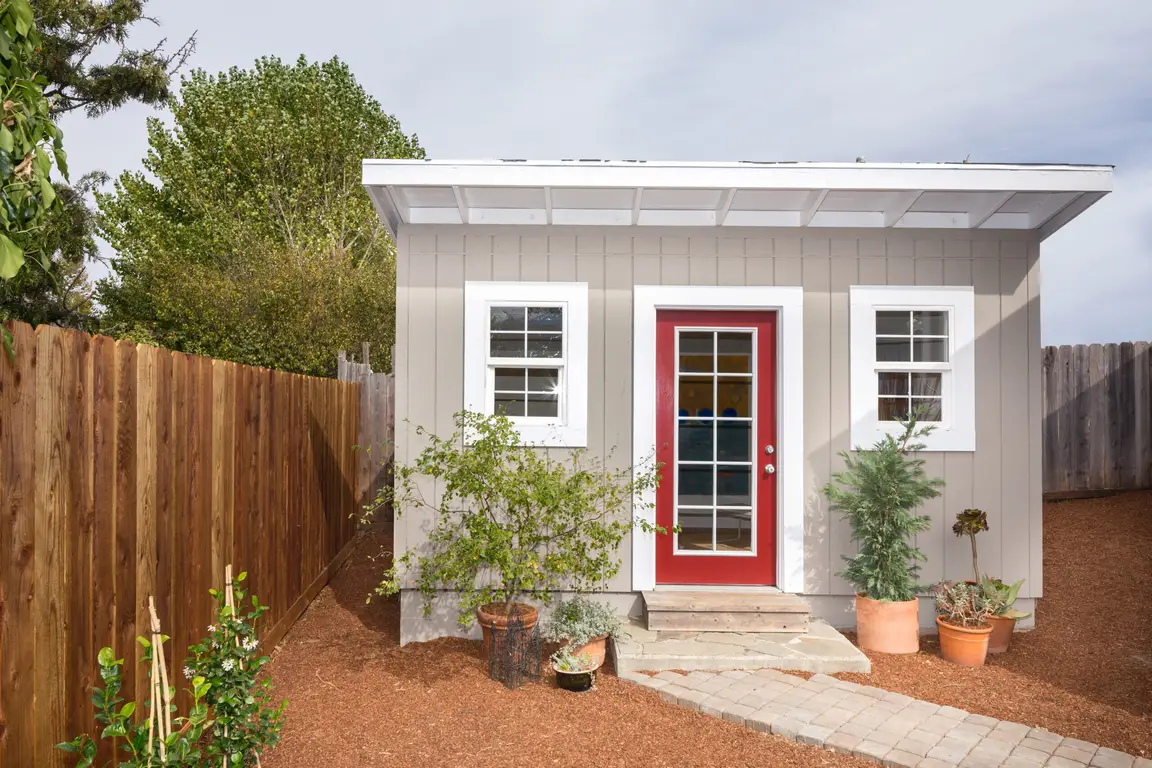
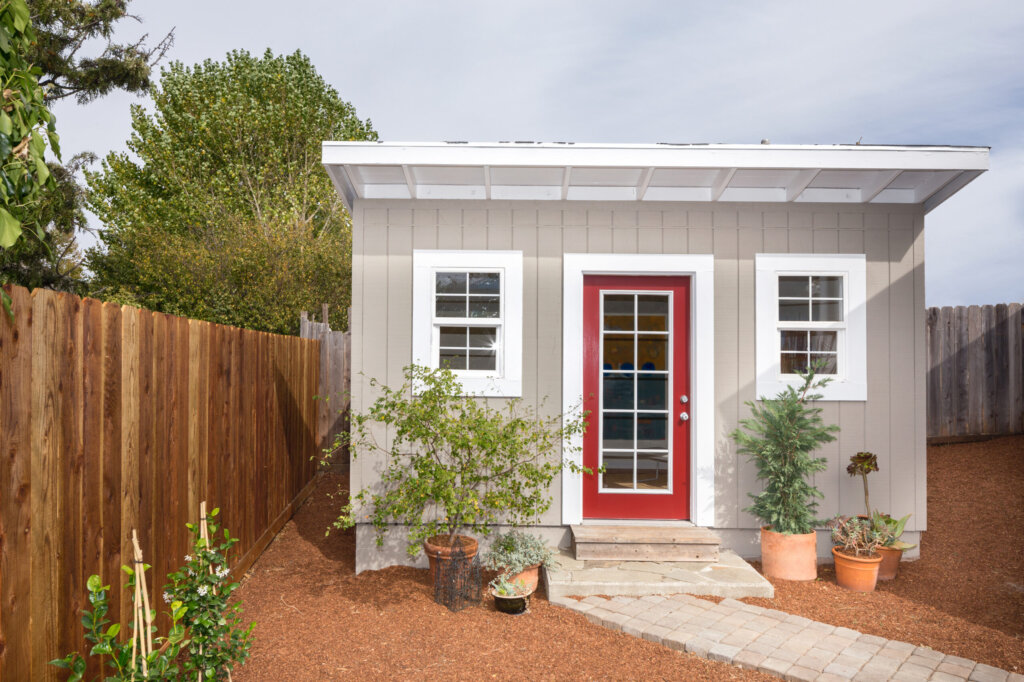
For decades, the American Dream was defined by single-family homes on quiet, but spacious lots. Families grow and the cost of living climbs, however, so that traditional model is being challenged. Across the country, state and local governments are relaxing outdated zoning laws that heavily restricted what housing types could be built in these neighborhoods. One such type of housing is an ADU, or Accessory Dwelling Unit.
Changes to these zoning laws will make it easier for people to build an ADU on their own property, as well as encourage more as developments expand. Whether you call it an MIL suite or a guest house, the ADU is set to make a massive comeback.
In this guide from SoldFast, we’ll break down everything you need to know about accessory dwelling units, from how they’re defined to how you can build one on your property.
So, What Exactly is an ADU?
ADU stands for Accessory Dwelling Unit, referring to secondary, smaller homes located on the same lot as the primary. Rather than just a shed or a finished basement, think of it like a small apartment or any fully functioning, independent living space. You might even already know them by one of their dozen other names, depending on where you live:
- Granny Flats: Because they’re perfect for aging parents
- In-Law Suites: A term often used for attached units
- Carriage Houses: Historic term now sometimes used for units built above a garage
- Tiny Homes: These are often on wheels, but a Tiny Home could also fit the definition of an ADU with the right setup.
To legally be considered an ADU, the space must have three core features that allow long-term living without needing to enter the main house: a kitchen to cook and store food, a bathroom with private shower, toilet, and sink, and a private entrance so the resident can come and go freely.
Another big distinction between an ADU and regular housing like a duplex is ownership. In almost all cases, an ADU cannot be sold separately from the main house and is considered a permanent part of the property like a deck or garage. If you sell your house, the ADU goes with it because it’s an accessory to your primary residence rather than a standalone piece of real estate.
What Are the Benefits of an ADU?
Multiple homes on the same lot sounds cramped, but ADUs are smaller, auxiliary properties that are under strict size and use conditions. That being said, many home and property owners are seeing the benefits to adding one to their single-family lot. Here are 3 of the top reasons more people are exploring an ADU.
1. A new stream of income
A common reason people build ADUs today is to turn their property into a source of rental income. If you have the space on your lot to build one, you can rent out your ADU to a long-term tenant. And in many cities, a one-bedroom ADU can provide enough income to help pay off the mortgages, put towards your retirement, or simply offer more breathing room in your monthly budget.
2. Keeping older family members close
ADUs can also be a brilliant solution for multigenerational living. For example, it allows grandparents or other extended family to live close enough where you can check on them daily while they still maintain independence. It’s also much more affordable than assisted living facilities, with average costs for private rooms anywhere from $4,000 to $6,000 per month. Building an ADU is a significant upfront cost, but once it’s paid for, standard maintenance and energy bills are the only routine costs, making them a massive long-term budget win for large families.
3. Great first step for adult children
With housing prices and interest rates where they are, many young adults are finding it very difficult if not impossible to buy their first home. An ADU can serve as a vital form of bridge home before they purchase their own property outright, where they can live for a few years to save for a down payment while enjoying some privacy.
4. Add property value for future owners
Since an ADU adds square footage and income potential, it often boosts the resale value of your home. Appraisers are still figuring out how to best valuate these units and getting better, seeing them as a major plus for future buyers who want the same benefits you do.
If ADUs Are Useful, Why Aren’t They More Common? Here’s What’s Changing
While the benefits of an ADU make them sound like a no-brainer, for a long time they were actually illegal in many American suburbs. Throughout the history of single-family zoning laws, many cities restricted properties to only one house on the lot, an idea intended to keep neighborhoods low-density and prevent overcrowding. These laws and ordinances often banned ADUs outright because they were seen as a threat to the consistent character of the neighborhood, or as a way to backdoor apartments into quieter residential areas.
But we’ve been facing a national housing shortage for decades, and there simply aren’t enough small, affordable homes for people to live in. Because of this, state leaders are finally realizing that ADUs can be part of what’s called “missing middle housing”. Denser than single-family homes but not as much as high rise apartment complexes, this includes duplexes, townhomes, and detached rentals with shared courtyards to name a few.
Along with helping ease the housing shortage, ADUs come with a few other advantages as far as residential construction goes. For one, there’s no new land needed, so you don’t have to clear-cut a forest or compact acres of soil to build an ADU. There may, however, be some constraints with how much space is available for construction equipment. Secondly, since the land is already zoned and built on, a lot of the infrastructure is there too, like primary entry/exit roads, major power lines, and some other utilities.
How The Law Is Shifting
Many states are passing what are called preemption laws, which disallow cities, counties and other local governments from passing their own laws on a given subject. In this case, “you must let home and property owners build ADUs.” By getting rid of old requirements like minimums on lot sizes or required parking spots, building an ADU is no longer impossible.
Thinking About Building an ADU? Here’s How the Pros Do It
Since ADUs are not nearly as large or complex as full single-family houses, there are generally a larger number of professional contractors available to potentially take on the project (unless you yourself are a master craftsman). You don’t need to be an experienced contractor, however, to understand the basics of this process, and it helps to consider what design suits your goals best.
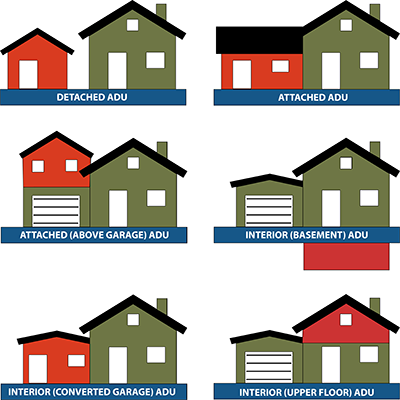
When it comes to where and how on the property to construct the ADU, you have 3 options:
- The Conversion: The simplest choice. You take an existing garage or basement and invest in some upgrades to turn it into a living space. It’s often the cheapest way to go because all utilities and structural components of the building are already there. But many property owners chose a home because they prefer not to share interior walls with other residents, so keep that in mind before you have a neighbor.
- The Detached Build: Building a brand-new ADU on the property can offer the most flexibility and scope with the design as well as the most privacy. It, does, however, also require the most work due to separate foundations, utility lines, etc. so prepare for the highest budget requirements.
- The Pre-Fab/Modular: This is a growing, if very recent, trend where the ADU is built in a factory and craned into your backyard. It can be very fast and often has a fixed price, but delivery and installation might be limited to a few high volume cities.
From there, the largest design restriction comes from the smaller space, and since most ADUs are between 400 and 800 square feet, every inch counts. Vaulted ceilings, floor-to-ceiling windows, outdoor living spaces and tucked-away pocket doors are all strategies for implying space and keeping as much of the square footage usable as possible. Some ADUs opt for loft-style bedrooms to save even more space, but this is largely accessible only to younger residents.
Consider Every Detail Before Deciding if an ADU Is Right for You
As we’ve reviewed, a well-built ADU is much more than just a backyard shed. It can be financial freedom, a way to keep family close, and a small-scale solution to a nationwide housing problem. And as more states incentivize these developments, more families may choose this versatile option.
An ADU can even be a good investment for homeowners looking to sell. In the right market, targeted renovations to create an ADU can turn your home into a source of rental income, or help increase it’s resale value. The real estate professionals at SoldFast can help you compare the options, and we’ll tell you upfront which one meets your needs best. If you’ve thought about selling but struggle to see the potential, give us a call today!